 DIY Proof
Human composting turns a body into soil in about 45 days
Human composting puts a body in a vessel with wood chips or hay and lets microbes turn the soft tissue into soil in about 45 days. Then the bones are ground and mixed back in.
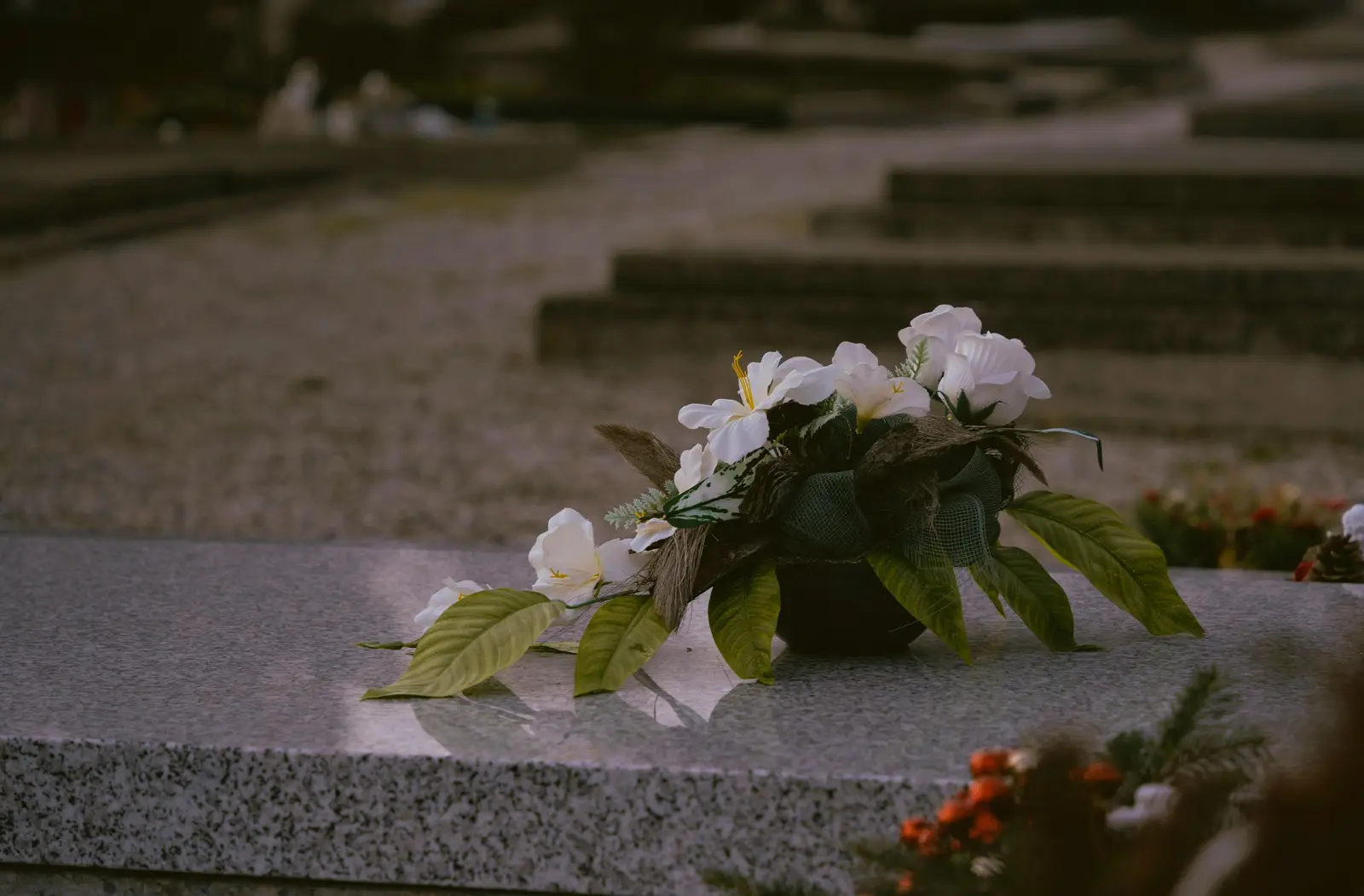
Human composting puts a body in a contained vessel with wood chips, alfalfa or hay, and lets microbes break the soft tissue down into soil. Staff turn and monitor each vessel the way you would a compost heap, and the pile runs hot enough to kill pathogens. After roughly 45 days what is left is bone and humus, the stable organic matter in soil. The bones go through a grinder and back into the mix.
The companies running it call the process natural organic reduction. Recompose, founded by Katrina Spade in Seattle, started in 2020 and was the first in the US to do it commercially. Earth Funeral opened the first facility on the East Coast earlier this year, according to GeekWire.
What goes into the vessel
A body goes in with a carbon source: mulch and hay at some facilities, alfalfa or wood chips at others. Spade modelled Recompose's method on a process already used to compost dead livestock, and during testing she brought in a soil scientist to confirm the heat of the pile got high enough to kill pathogens.
Damien Charabidzé, an entomologist at the Université de Lille, described the chemistry when he set up the French trial: "It's the same principle as composting. You need to strike a balance between a nitrogen-rich material to be broken down (in this case, a corpse) and carbon (wood shavings) through which oxygen can circulate."
Not everything breaks down at the same rate. At Return Home, the soft tissue goes first; the bones and any medical implants are then taken out. The implants go for recycling. The bones go through a cremulator, the machine a crematorium uses to grind remains, and the pieces go back into the soil. Haley Morris at Earth Funeral told Newsweek the vessel stage typically runs about 45 days, after which the soil is tested for nutrient density before release.
The sheep buried in a French cemetery
France has not legalised the practice yet, which is why Charabidzé buried eight sheep at a cemetery in Les Ulis, outside Paris, working with the campaign group Humo Sapiens. Four went straight into the soil. Four were packed in shredded plant matter. A year later the team came back on a hot summer day and dug them up. The pits with plant material gave off no odour, and nothing was left except bones, with the soft material converted to humus. The plain-soil pits did not match that result.
Where it's legal, including in Europe
GeekWire put the count at 14 US states in 2026, with more than a dozen others considering bills. Popular Mechanics describes it as a dozen, so the number has been moving as states pass legislation. Arizona legalised it in April 2024, when Governor Katie Hobbs signed the bill after it passed with support from both parties. Morgan Yarborough, a service manager at Recompose, told Newsweek that framing the choice as personal freedom is what has bridged the political gap.
Interest is ahead of the law. The National Funeral Directors Association expects cremation to account for more than 64 percent of US funeral arrangements in 2026, and its 2025 survey found more than 61 percent of consumers wanted to explore green funeral options. Martha Stewart said on a podcast that she would pick composting over burial or cremation.
Outside the US, the sources name parts of Germany and New South Wales in Australia. France may follow, depending on what the Les Ulis trial and the campaign around it produce. Anywhere else, burial law is where this gets decided, and it is applied by your local cemetery authority. Ask them directly, in writing, before you plan anything. In most of Europe that conversation still ends with burial or cremation.
What it costs
None of the sources used here publish a price, and I won't put a number in that I can't back. Providers quote case by case, and the total depends on transport, the vessel time and what you want done with the soil. Ask each one for a written figure covering collection, the process, testing and delivery of the soil, then compare it with a cremation quote from a funeral director in the same town. A prepaid plan signed before you have that total is a guess.
The environmental numbers that exist
Cremation produces about 530 pounds of carbon dioxide, roughly 240 kg, which GeekWire compares to driving a fuel-efficient car from Seattle to San Diego. Conventional burial uses land and often involves embalming chemicals, treated caskets and concrete vaults; Popular Mechanics notes a body can take upwards of 15 years to decompose that way. Composting needs almost no energy input.
Treat that 530 lb as a benchmark for cremation, not as a measured saving. The sources do not give a full life-cycle figure for composting that accounts for transport and running the facility, so cremation has a number attached and composting does not.
The objections
Religious groups have opposed legalisation on the grounds that it conflicts with doctrine about how a body should be treated, Newsweek reported. Joshua Slocum, director of the Funeral Consumers Alliance, put the case for it to the Seattle Times: "In this country, we have a massively dysfunctional relationship with death, which does not make good principles for public policy." He added that "a lot of our state laws stand in the way of people returning to simple, natural, uncomplicated, inexpensive ways of doing things."
How to arrange it
The job isn't something you do yourself. It is booked through a licensed provider, and only where the law allows it.
- Time:
- About 45 days in the vessel, then cooling, screening and grinding of bone. Several months end to end.
- Difficulty:
- Not a DIY job. Licensed providers only, and only where the law permits it.
- Cost:
- No figure is published in the sources used. Ask for a written total covering collection, vessel time, testing and the soil, and compare it with a cremation quote locally.
Tools: None for you; the provider runs the vessel, the loader and the cremulator, A written contract and the provider's test data on the finished soil
Materials: Carbon-rich bedding: wood chips, alfalfa, hay or shredded plant matter, A contained vessel with airflow, run and monitored by the facility, A cremulator for grinding bone, at the facility
- 01
Check the law where you live
In the US, 14 states had legalised it by 2026, with more than a dozen considering bills. In Europe, the sources name parts of Germany, and France is running a trial. Everywhere else, start with your municipal burial authority and get the answer in writing.
- 02
Pick a provider and ask the awkward questions
Cover the collection area, the full price, what happens to medical implants, whether the finished soil is tested, and who can claim the soil afterwards.
- 03
Decide where the soil goes
The sources do not spell out what each company does with soil nobody claims, so ask before you sign. If you want it scattered somewhere specific, get that agreed in the contract.
- 04
Put it in writing and tell your next of kin
A will is usually read after the funeral, so the person who will actually make the call needs to know. Tell them the provider, the plan and where the paperwork is.
- 05
Know what the facility does on the day
The body goes into the vessel with bedding, gets turned and monitored for about 45 days, then the soil is tested. Bones are ground in a cremulator and mixed back in, and implants are pulled out and recycled.
Frequently asked questions
- How long does human composting take?
- About 45 days in the vessel, according to Earth Funeral's Haley Morris, speaking to Newsweek. Add cooling, screening and grinding of bone. A WKBW explainer describes the whole arrangement as several months, which is the safer number to plan around.
- Can I compost a body in my garden?
- No. Every provider in these sources runs a licensed facility, and the process depends on sustained heat and daily monitoring. Home burial is governed separately, so ask your local authority before assuming anything.
- What happens to bones and implants?
- Bones go through a cremulator, a machine with rotating blades that works like a grinder, and the pieces go back into the soil. Medical implants come out first and go for recycling, as Return Home does.
- Is the finished soil safe to use?
- Providers test it before release, and Recompose had a soil scientist confirm during development that the heat of the process kills pathogens. The sources do not publish test results. If you plan to grow vegetables in it, ask the provider for their data first.
- Where in Europe is human composting legal?
- Parts of Germany, according to Popular Mechanics. France is studying it after the sheep trial at Les Ulis. Elsewhere the rules are set nationally and applied by your municipal burial authority, so that is the office to ask.
- How much does human composting cost?
- The sources used here do not publish a price, and I won't guess one. Ask each provider for a written total covering collection, the vessel time, testing and the soil, then compare it with a cremation quote from the same area.
Sources
Next projects

Balcony solar panel: €450 kit, €160 to €720 saved a year
A 400 to 800 W balcony solar panel kit costs about €450 to €1,350 and saves €160 to €720 a year. What the kit includes, where plugging one in is legal, and the sums to run first.
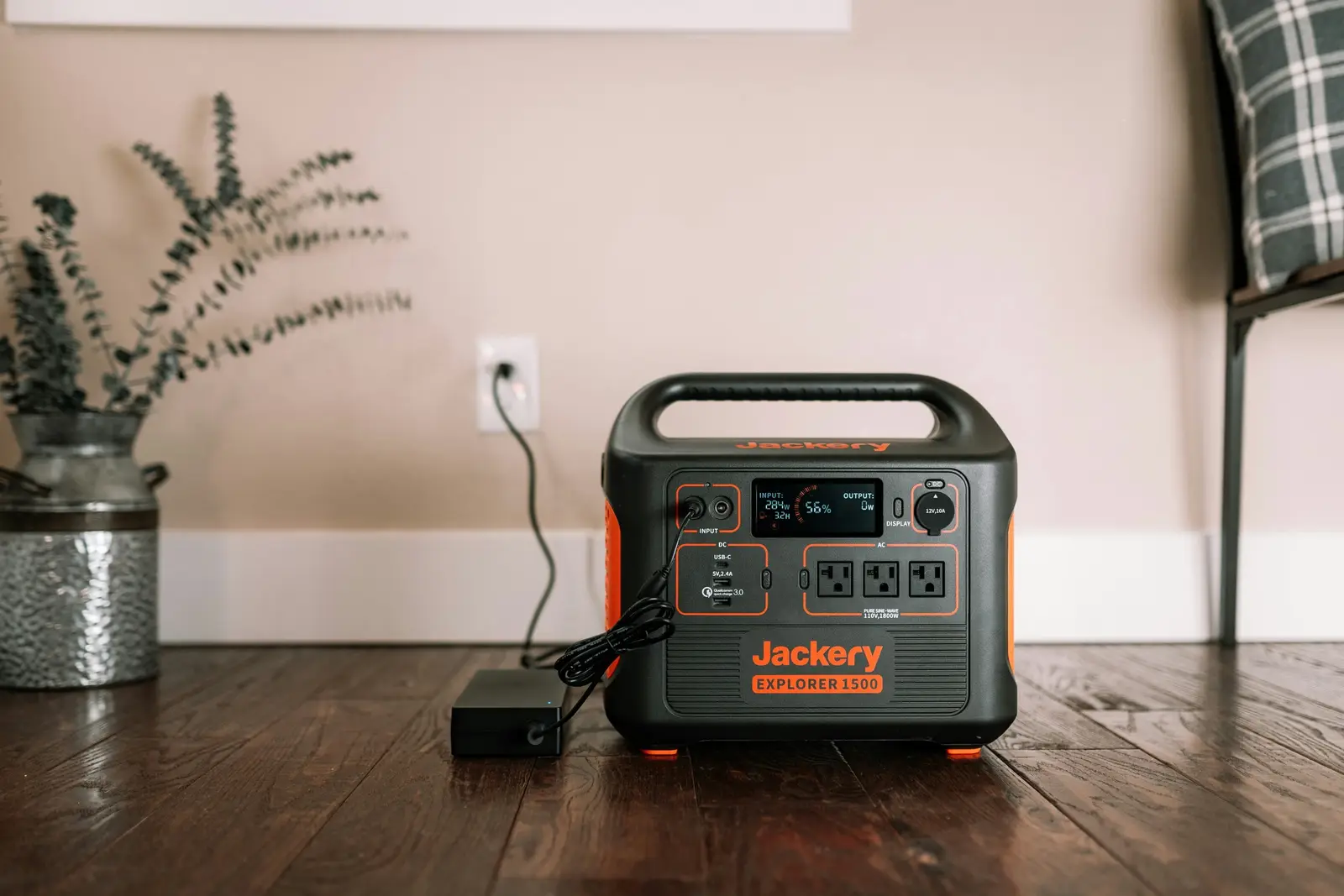
Best generators for home backup: 6 picks for a long outage
Propane stores better, gasoline stretches further, and a dual-fuel portable covers most homes. How to size one, and which models came out ahead in testing.

Best space heaters for basements: 13 models, one clear winner
Independent tests of 13 heaters for basement use make the Dr. Infrared DR-968 at $98.80 the one to buy. For a cold room or a small nook, the one cord rule that matters still applies.