 DIY Proof
Best generators for home backup: 6 picks for a long outage
Propane stores better, gasoline stretches further, and a dual-fuel portable covers most homes. How to size one, and which models came out ahead in testing.
Some links in this article are affiliate links: if you buy through one, we may earn a commission at no extra cost to you. As an Amazon Associate we earn from qualifying purchases. How affiliate links work here
Sizing comes before shopping. Write down the things you refuse to do without during an outage: the fridge, the freezer, some lights, the router, a pump if you have one. Note the running watts for each, then the starting watts for anything with a motor, because a compressor or a pump pulls a spike when it kicks in. A short list and outages measured in hours point to a portable unit and a couple of outdoor-rated cords. A list that looks like your whole house points to a standby unit, a permanent fuel supply and a licensed installer.
Propane stores better; gasoline stretches further
Ken Goodrich, founder and CEO of Kenerator, told Bob Vila that propane suits home backup because it stores well and burns clean, and added that a propane tank keeps supplying fuel even when the natural gas supply is shut off after a disaster. That last point matters more than it sounds. In a wide outage, the queue at the petrol station is its own emergency, and a gasoline generator that runs dry has a fuel problem you cannot solve by waiting.
The trade-offs run the other way on money and efficiency. Propane units tend to cost more to buy and more to run, while a gasoline engine gets more work out of each litre. Gasoline also has a shorter shelf life, so fuel you stored two summers ago may not start anything. Propane burns cleaner, which shows up as less maintenance over the years.
A dual-fuel machine lets you take the propane advantages without giving up the fallback. Run it on propane for the long outage, keep a can of fresh gasoline for the first hour, and the carburettor is not sitting full of stale fuel between seasons.
Portable or standby
Amy Northway, president of Power Solutions Specialist, a Briggs & Stratton backup generator dealer in Houston, told Bob Vila that a portable generator suits homeowners who need a few essential items for short periods and don't mind setting the unit up, storing fuel and running extension cords. That describes most people reading this. A portable costs far less than a standby unit, needs no installation and can go in the van for a camping trip.
A standby unit is the other bargain entirely. It starts itself, runs the whole house and needs a permanent fuel supply plus a licensed installation. You get quotes for that, not a shopping basket. If your outages are measured in days and someone in the house depends on powered medical equipment, the automatic option is worth the money.
The models that came out ahead
Bob Vila's testers ran five dual-fuel generators and, in a separate round, researched more than 35 quiet generators and tested 10 of them. These are the names that rose to the top:
- Westinghouse WGen9500DF: best overall dual-fuel, with several starting options and a wide spread of outlets.
- Pulsar 2200-watt dual-fuel quiet inverter: the value pick, light enough for a balcony or a small outage, and quiet.
- Champion 7,500-watt dual-fuel: the medium-duty choice when the load list is bigger than a fridge and a router.
- DuroMax 12,000-watt dual-fuel portable: heavy duty, for a big house or a workshop.
- Honda EU2200i: best overall among the quiet generators. In testing it ran a full-size refrigerator and a set of jobsite tools without tripping its breaker.
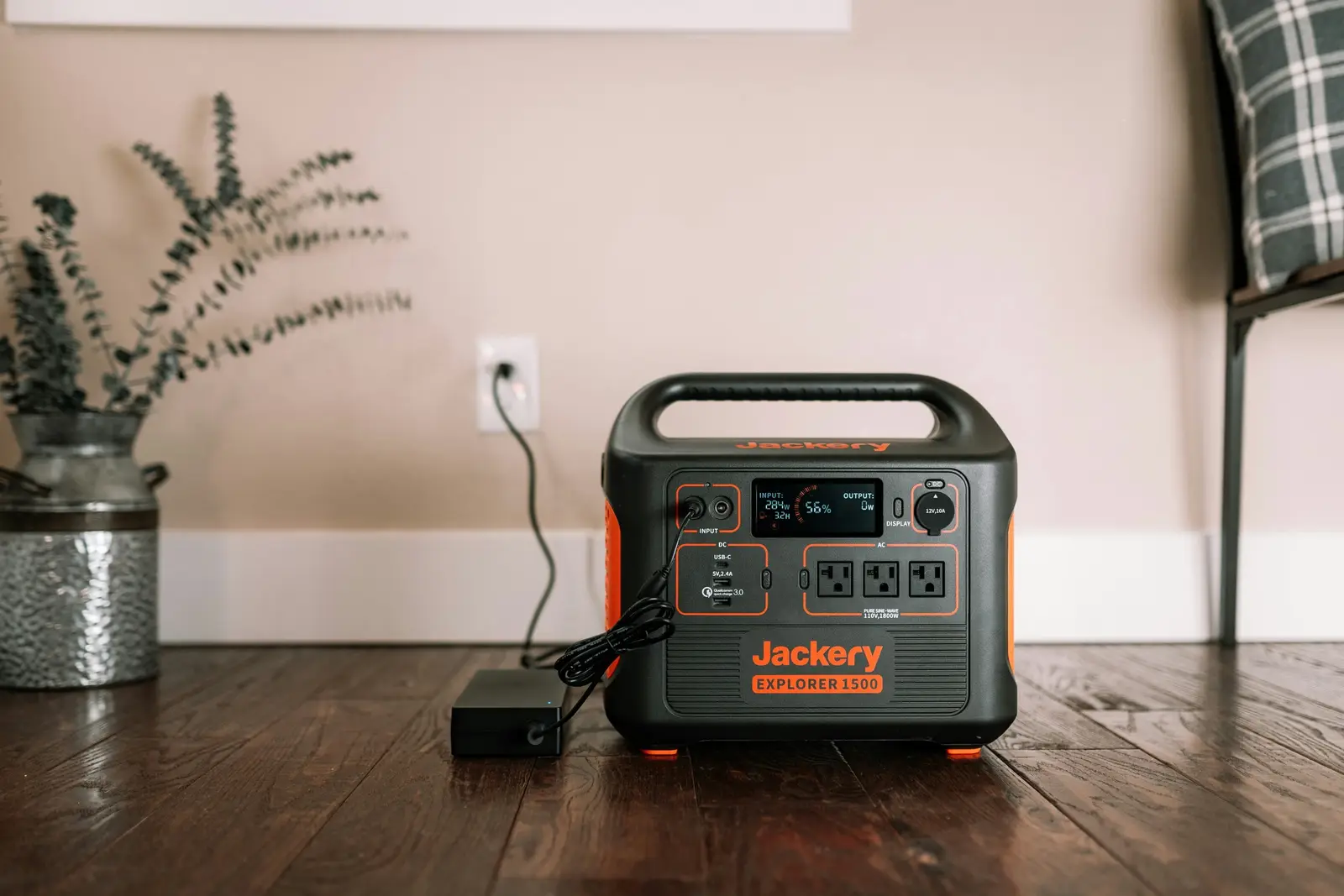
- Generac solar generator: silent, no exhaust and no fuel to store, which suits modest loads and a balcony.
Westinghouse WGen9500DF
Westinghouse WGen9500DF: best overall dual-fuel, with several starting options and a wide spread of outlets.
Honda EU2200i
In testing it ran a full-size refrigerator and a set of jobsite tools without tripping its breaker.
Champion 7,500-watt dual-fuel
Champion 7,500-watt dual-fuel: the medium-duty choice when the load list is bigger than a fridge and a router.
Pulsar 2200-watt dual-fuel quiet inverter
Pulsar 2200-watt dual-fuel quiet inverter: the value pick, light enough for a balcony or a small outage, and quiet.
DuroMax 12,000-watt dual-fuel portable
DuroMax 12,000-watt dual-fuel portable: heavy duty, for a big house or a workshop.
What usually goes wrong
Buying on the big number on the box. That figure is the one that sells the machine, and sizing to it is how people end up tripping the breaker when the fridge compressor starts. Add the running watts of your list, then add the starting watts of the largest motor on it, and buy for that total.
Storing gasoline for two years. Fuel goes stale, the engine starts hard or not at all, and the carburettor needs cleaning before the next storm. Buy small quantities, add stabiliser, rotate the stock and keep it in an approved container outside the house.
Running the unit in the garage with the door up. Carbon monoxide builds faster than most people expect and a door does not clear it reliably. Outdoors, on a level dry surface, well away from windows, doors and vents, is the only place it goes.
Backfeeding the house through a socket. A cord with two male ends puts you and the line workers repairing the street at risk. The safe route is a generator inlet wired to a transfer switch or an interlock, fitted by an electrician, so the house is either on the grid or on the generator and never on both.
- Time:
- Half a day for the first setup and test run, plus the electrician's visit
- Difficulty:
- Moderate. The generator itself is plug and play; the house connection is not a DIY job.
- Cost:
- Most dual-fuel portables sell for over $1,000; the reviews used here do not list exact prices. Add the electrician's quote for an inlet and transfer switch.
Tools: Carbon monoxide alarm for indoors, Adjustable spanner for the battery terminals, Funnel, Torch, Outdoor-rated extension cords, Fuel can with a spout
Materials: Engine oil to the maker's spec, Fresh gasoline with fuel stabiliser, Propane cylinder, Generator inlet box and transfer switch, supplied and fitted by an electrician, Weatherproof cover that keeps rain off without touching the exhaust, Approved fuel storage cans
- 01
Write the load list
List what you want running during an outage and note the running and starting watts for each item. This number decides the machine, not the other way round.
- 02
Pick the spot before you buy
Outdoors, level, dry and well away from windows, doors and air vents. Walk the spot with the unit running later and confirm you cannot smell exhaust indoors. Think about the neighbours too, since even the quiet models are audible at the fence.
- 03
Fit a carbon monoxide alarm indoors
One on each level, tested before the first outage. This is the cheapest safety item in the whole job and the one people skip.
- 04
Fill it and do a test run on a dry day
Oil to the maker's spec, fuel in the tank, start on gasoline and let it warm. Switch to propane and confirm it runs cleanly on both. Plug in a lamp first, then the fridge, and listen for the engine labouring.
- 05
Get the house connection done properly
An electrician fits a generator inlet and a transfer switch or interlock so the generator can power house circuits without backfeeding the grid. Book this before the storm season, not during it.
- 06
Put it away properly
Fuel valve off, carburettor run dry, oil checked, propane cylinder valve closed, cover on and the fuel stock rotated. The unit that starts first time in January is the one that was put away correctly in October.
Common questions
- How many watts do I need for home backup?
- It depends on what you refuse to do without. Add the running watts of those items, then add the starting watts of the largest motor on the list, usually a fridge, freezer or pump. A mid-size portable covers essentials. A whole-house load points to a standby unit sized by an installer.
- Is propane or gasoline better for a backup generator?
- Propane for storage and maintenance, gasoline for efficiency. Propane stores well, burns cleaner and needs less servicing, but the unit costs more and runs less efficiently. Gasoline is cheaper per unit of energy and easier to find in normal times, though supplies can vanish during a wide outage and stored fuel goes stale.
- Can I run a generator in the garage with the door open?
- No. Carbon monoxide builds faster than you would expect, and an open door does not clear it reliably. Run the unit outdoors, well away from windows, doors and vents, and keep a working carbon monoxide alarm inside the house.
- Can I plug a generator into a wall outlet to power the house?
- No. Feeding power backwards through a socket or a dryer outlet can injure you and the people repairing the network. The safe route is a generator inlet wired to a transfer switch or interlock by an electrician, so the wiring is either on the grid or on the generator, never both.
- How much does a home backup generator cost?
- Most dual-fuel portables cost over $1,000, and the reviews used here do not publish exact prices. A standby unit costs more again, with installation, fuel supply and electrical work quoted separately. Get two quotes before you commit.
- How long will a generator run on one propane cylinder?
- The reviews used here do not publish run times, and it varies with the load and the size of the cylinder. Work it out from the maker's fuel consumption figure at the load you expect, then add a margin for a longer outage.
Sources
Next projects

Balcony solar panel: €450 kit, €160 to €720 saved a year
A 400 to 800 W balcony solar panel kit costs about €450 to €1,350 and saves €160 to €720 a year. What the kit includes, where plugging one in is legal, and the sums to run first.

Human composting turns a body into soil in about 45 days
Human composting puts a body in a vessel with wood chips or hay and lets microbes turn the soft tissue into soil in about 45 days. Then the bones are ground and mixed back in.
Best space heaters for basements: 13 models, one clear winner
Independent tests of 13 heaters for basement use make the Dr. Infrared DR-968 at $98.80 the one to buy. For a cold room or a small nook, the one cord rule that matters still applies.