 DIY Proof
Best space heaters for basements: 13 models, one clear winner
Independent tests of 13 heaters for basement use make the Dr. Infrared DR-968 at $98.80 the one to buy. For a cold room or a small nook, the one cord rule that matters still applies.
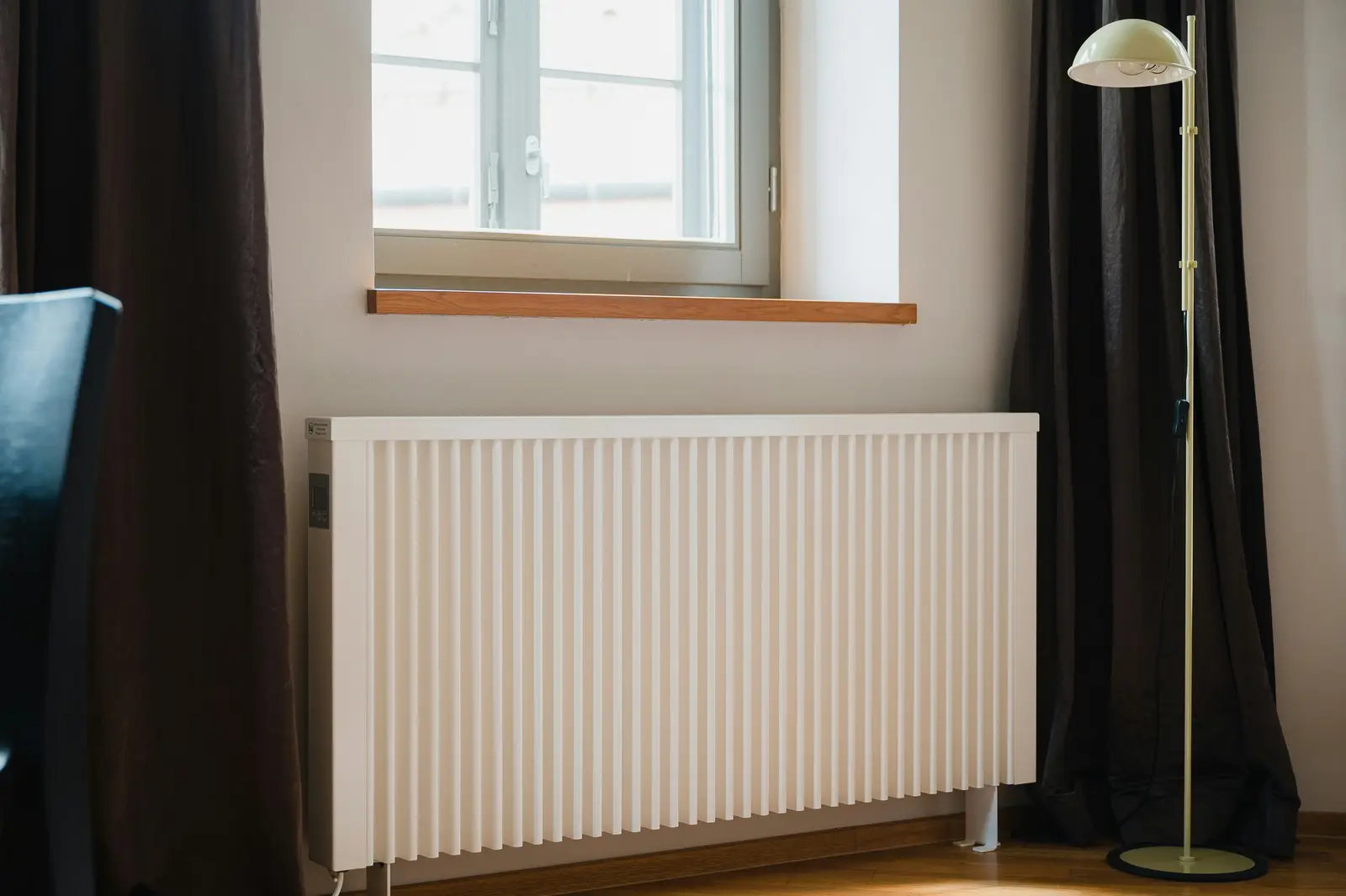
The best space heater for most basements is the Dr. Infrared DR-968. BobVila.com's product team tested 13 heaters for basement use and gave it Best Overall: strong heat output, simple controls, and a price that came in below most of the field. It was $98.80 on Amazon at the time of writing, down from $124.98. The catch is bulk. It was bigger and heavier than nearly everything else in that test, which matters if your basement stairs turn tight or you want to move the heat between rooms.
What the 13-heater test picked
The roundup scored each unit on output, controls and how easy it was to live with. Seven made the final list. Prices below are the ones quoted in the source material, taken from an early Black Friday roundup, so treat them as a snapshot and check before you order.
- Dr. Infrared DR-968, best overall: infrared and convection working together, tip-over shutoff, overheat protection, wood-look cabinet. $98.80, was $124.98.
- Comfort Zone convection baseboard, best value: cheap, silent, wall-hugging, slow to warm a room.
- Dreo Solaris H3 Slim, best ceramic: small, fast to heat, suited to a desk corner or a basement bathroom.
- De'Longhi Mica Panel HMP1500, best micathermic: quiet radiant heat over a wide area, no fan noise.
- Shark TurboBlade fan and heater, best smart pick: the most adjustable unit in the test, and it cools in summer. $199.99, was $399.99.
- Lasko Designer Series ceramic, best compact: light enough to carry, small enough for a utility room.
- Duraflame infrared quartz, best stove: for a finished basement where you want the fireplace look.
The testers noted that the lighter, more compact heaters were easier to move and better suited to small spaces. That single observation decides the purchase for a lot of people. A basement that is one long open room points to the bigger cabinet heater. A 2 m by 3 m box under the stairs does not.
Which type suits a basement room
The DR-968 runs infrared and convection together. Infrared warms the people and surfaces in front of it; convection moves warm air around the room. A basement wants both, because concrete walls and floors stay cold to the touch long after the air has warmed up. The wood-look casing also means it does not look like a lab appliance parked next to the sofa.
Ceramic heaters heat up fast and take up very little floor. They suit a corner where you sit and read, or a bathroom in a converted basement. Their weakness follows from their size: a small unit moves less air, so the far end of an open basement stays cool while the near end is too warm.
The De'Longhi mica panel is the quiet option. It radiates over a wide area without a fan, so there is no draught and no hum if the basement doubles as an office. The Comfort Zone baseboard is the cheapest way in and the least fussy: it sits against a wall, warms air through its fins and takes its time doing it. That suits a room you occupy for hours, not one you want warm in five minutes.
The Shark TurboBlade earns its floor space across the year because it is a fan in July and a heater in December. At $199.99 it costs twice the DR-968, so it only makes sense if the basement gets hot in summer too. If you only need heat, spend the difference on the bigger cabinet heater.
Safety rules that matter more in a basement
- Plug the heater straight into a wall outlet. Never an extension cord, never a power strip. This is the rule that starts fires when it is broken.
- Keep at least 1 m (3 feet) of clear space around it, away from curtains, cardboard and the boxes you keep meaning to sort.
- Switch it off before you go to sleep or leave the room.
- Keep the intake and outlet grilles clear so the overheat cutout is not doing work it should not have to.
Basements add their own hazards. Damp air and a bare concrete floor make a room feel colder than the thermostat says, so people push the heater harder than they would upstairs. Old sockets and shared circuits are common down there. If the plug feels hot, the breaker trips when the heater kicks in, or the lights dim, stop using that outlet and have an electrician look at the circuit. Adding a socket or a dedicated circuit is not a DIY job in most of Europe.
- Time:
- 20 to 30 minutes to place, test and set one heater
- Difficulty:
- Easy for placement. New sockets or circuits need a qualified electrician.
- Cost:
- $35 to $200 for the heater, depending on the model
Tools: Tape measure, Vacuum with a dusting brush, Plug-in power meter (optional, for checking the draw)
Materials: Space heater sized for the room, A wall outlet within reach of the heater's cord, Nothing else: no extension cord, no power strip
- 01
Measure the room and the outlet
Note where you will sit or work, how far the nearest wall socket is, and how long the heater's cord is. Cord length decides placement more often than people expect, and it is the reason so many heaters end up on an extension cord.
- 02
Read the rating plate
The wattage is on the plate or the box. Write it down. You need it for the running cost and for a sane conversation with an electrician if the circuit turns out to be marginal.
- 03
Clear a 1 m zone
Move boxes, curtains and anything fabric at least 1 m (3 feet) from where the heater will sit. Bare concrete or tile is fine under it. A rug is not.
- 04
Plug it into the wall
Straight into the socket, on its own. No extension cord, no power strip, no daisy chain off a multi-way adapter behind the boiler.
- 05
Test it on a low setting
Run it for 10 minutes, then feel the plug and the face of the socket. Warm is normal. Hot, buzzing, or a smell of hot plastic means switch it off and call an electrician.
- 06
Set it and switch off when you leave
Use the thermostat rather than full power and turn it off at the wall when you go back upstairs. If you want the room warm before you use it, a timer plug rated for the load does the job.
What it costs to run
Take the wattage off the label, divide by 1,000, multiply by the hours it runs, then multiply by your price per unit of electricity. A 1,500 W heater on full for six hours uses 9 kWh. At 25 cents a unit that is $2.25 for the evening. Put your own tariff in. The arithmetic is the same everywhere and it is the step most buyers skip.
That figure is the worst case. A heater with a thermostat that cycles draws less, and a smaller unit running longer can land close to a big one running hard. Resistive heaters turn one unit of electricity into one unit of heat, so running cost tracks the wattage and nothing else.
What usually goes wrong
- Buying the biggest heater on the shelf for a small room. It reaches temperature in minutes, the thermostat cuts it, and you get a hot spot by the grille and a cold far wall.
- Reaching for an extension cord because the only socket is behind the boiler. Move the heater instead, or get a socket fitted.
- Blaming the heater for a cold basement when the draught comes down the stairs. Warm air rises, and an open door at the top of the stairs acts as a chimney.
- Running it overnight because the room feels damp. A heater will not fix a damp basement, and unattended running is exactly what the safety instructions warn against.
Common questions
- Can I use an extension cord with a space heater?
- No. Plug it directly into a wall outlet. Extension cords and power strips are not built for the continuous draw of a heater, and a cord coiled under a rug is a fire waiting to happen. If the socket is too far away, move the heater or have an electrician fit a socket closer to where you sit.
- Can I leave a space heater on overnight?
- No. Switch it off before you sleep or leave the room. Tip-over switches and thermostats do fail, and a basement is the room where you would notice a problem last.
- How far should a space heater be from furniture?
- At least 1 m (3 feet) from anything that can burn, including curtains, cardboard boxes and exposed wood. Measure that gap before you buy, because it decides whether a wide baseboard unit or a tall tower will actually fit where you want it.
- Is ceramic or infrared better for a basement?
- Infrared warms people and surfaces in front of it, which feels fast in a cold room. Ceramic heats air quickly and costs less for a small space. For a whole basement room, the roundup's overall pick combines both methods in one cabinet.
- How much does it cost to run a space heater in a basement?
- Multiply the wattage by hours used, divide by 1,000, then multiply by your price per kWh. A 1,500 W unit on full for six hours uses 9 kWh. At 25 cents a unit that is $2.25. Your tariff decides the answer, so use your own bill.
- Will a space heater keep basement pipes from freezing?
- It can help, and the roundup names that as one use for a basement heater. It is not freeze protection you can forget about, because it needs power, clearance and someone to switch it on. For a basement that drops near freezing every winter, insulate the pipes and fit a thermostatically controlled heat source.
Sources
Next projects
Balcony solar panel: €450 kit, €160 to €720 saved a year
A 400 to 800 W balcony solar panel kit costs about €450 to €1,350 and saves €160 to €720 a year. What the kit includes, where plugging one in is legal, and the sums to run first.

Human composting turns a body into soil in about 45 days
Human composting puts a body in a vessel with wood chips or hay and lets microbes turn the soft tissue into soil in about 45 days. Then the bones are ground and mixed back in.
Best generators for home backup: 6 picks for a long outage
Propane stores better, gasoline stretches further, and a dual-fuel portable covers most homes. How to size one, and which models came out ahead in testing.