 DIY Proof
Best thermostat setting for winter is 20°C, unless you have a heat pump
20°C (68°F) by day and 18°C (65°F) at night is the setting that balances comfort against the heating bill. Heat pumps and two-storey houses need a different number.
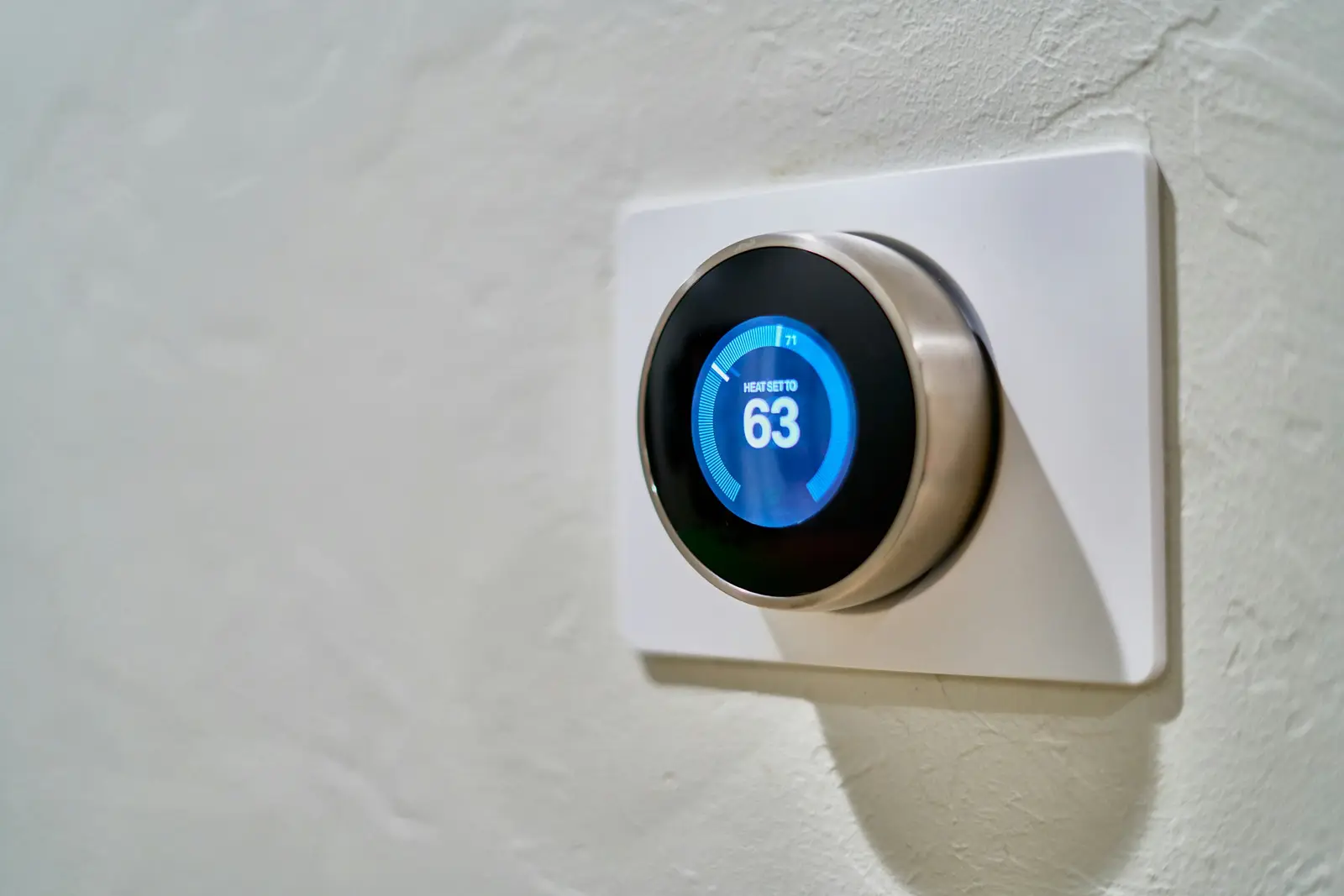
Set the thermostat to 20°C (68°F) during the day and 18°C (65°F) at night. Josh Mitchell, an HVAC technician who runs Air Conditioner Lab, gives those two figures: 20°C as the balance point between comfort and running cost, and 18°C for sleeping. The U.S. Department of Energy phrases the same advice differently, recommending the lowest temperature you're comfortable at, which for most homes lands near 68°F.
Two things change the number. A heat pump needs a shallower setback than a gas boiler, and an upstairs thermostat should sit about 1°C below the one downstairs. Get those two right and the rest is draught-proofing.
What the number is worth on the bill
Heating is the biggest single line in winter energy use. North Carolina's Electric Cooperatives says it can account for up to half of a home's energy costs, and that every degree you take off the thermostat cuts the bill. Duke Energy spokesperson Caroline Fountain told the News & Observer that because heating drives so much winter consumption, even a small adjustment shows up. The Department of Energy puts a figure on the whole habit: staying conservative with thermostat settings across the year can save about 10 percent on energy bills.
That 10 percent is not a promise about your house. Don Bowman, senior vice president at Wake Electric, told the same paper that savings depend on the occupants' preferences and on how well the home is built and maintained. A leaky 1930s terrace and a sealed new build will not save the same amount from the same setback. Sealing doors and windows and booking a heating service will move your bill further than shaving off another degree.
The heat pump exception
The Department of Energy's 68°F rule is written for houses with a regular furnace or baseboard heating. Heat pumps behave differently, and the DOE is explicit that dialing the thermostat down too far makes one less efficient. A heat pump moves heat rather than burning fuel to make it, so after a deep setback it has to run hard to bring the rooms back up, and in cold weather it leans on the backup resistance heater. Keep the overnight and daytime setback to 1-2°C and let the unit run steadily instead.
That means 19-20°C by day and 17-18°C overnight. If your heat pump is old or the house is poorly insulated, closer to a flat 20°C all day may cost less than a schedule. Watch the meter for a week rather than guessing.
Upstairs and downstairs settings
Warm air is lighter than cold air, so it climbs. The upper floor of a house is warmer than the ground floor before the heating even comes on, which is why the upstairs thermostat can sit lower in winter. A gap of about 1°C (2°F) is a reasonable starting point. Heat from below drifts up, cooler air from above settles back down to be reheated, and the system does less work for the same comfort.
This only works in a house with two thermostats or two heating zones. With one thermostat and no zone valves you can't hold two temperatures, so set it for the rooms you actually sit in and put the effort into draughts instead. Bedrooms are the other half of the case for 18°C at night: they're gaining heat from below anyway, and most people sleep better in a cool room.
What usually goes wrong
The number you set is not the temperature you get. A thermostat on an outside wall, in the draught from a front door, beside a lamp or in direct winter sun reads the wrong thing and runs the boiler on that reading. Bob Vila's guide calls these ghost readings. A cheap room thermometer on the coffee table settles the argument: if it says 18°C while the thermostat says 20°C, the thermostat's position is the problem.
- Vents and radiators blocked by a sofa, a curtain or a drying rack. Blocked airflow stops the system holding the temperature it thinks it's holding.
- Duct joints leaking into a cold loft, which pushes paid-for heat into the roof space.
- Doors and windows that whistle. A draught excluder costs less than a week of overheating.
- A setback that ends half an hour before you get up. You wake to a cold kitchen, turn the dial to 23°C, and undo the saving.
That last one is the classic own goal. If the house takes two hours to warm up, start recovery two hours before you need the room. Set the schedule once, then leave it alone for a week before you judge it.
Setting it up on your thermostat
- Time:
- 10 minutes at the thermostat, an afternoon for the draughts
- Difficulty:
- Easy. Anything inside the boiler casing is a job for a qualified heating engineer.
- Cost:
- £10 to £40 for a thermometer and draught-proofing, nothing if you own both
Tools: Room thermometer (a £10 digital one is accurate enough), Small screwdriver for the wall plate, Vacuum with a brush attachment, Thermostat app or the manual
Materials: Draught excluder for the front and back doors, Window weatherstrip, Spare batteries for the thermostat
- 01
Find your comfort floor
Sit in the main room at 20°C for an evening. If you're reaching for a jumper, your floor is 21°C and you should set that instead. Comfort beats a number off a website, including this one.
- 02
Set the daytime schedule
20°C from the time you get up until an hour before bed. Start the heating 30 minutes before your alarm rather than leaving it running overnight.
- 03
Set the night setback
18°C overnight on a boiler or baseboard system. On a heat pump, 17-18°C and no lower.
- 04
Set the away period
Drop 2-3°C while the house is empty if you have a boiler. Drop 1-2°C if you have a heat pump, or leave it running at 19°C in very cold weather.
- 05
Check where the thermostat sits
It should be on an internal wall, about 1.5m off the floor, away from direct sun, lamps, radiators and door draughts. If it isn't, shift it or accept that you're setting a number the room will never match.
- 06
Balance the floors
With two zones, set upstairs 1°C below downstairs. With one thermostat, shut the doors on rooms you don't heat and leave the rest alone.
- 07
Clear the vents and seal the draughts
Move furniture off radiators, vacuum vent grilles, fit a draught excluder on the doors and weatherstrip the windows you don't open in winter.
- 08
Run it for a week
Change one thing at a time. If you adjust the schedule and the draughts in the same week, you won't know which one moved the bill.
When to ignore the number
If there's a baby, an older person or anyone unwell in the house, comfort outranks the schedule. Cold homes are a health problem before they're a bill problem, so heat the rooms those people use to what they need and take the saving elsewhere in the house. For the money side, ask your supplier about a cheaper tariff or a fixed rate before you start shaving degrees: a tariff change does more than 1°C ever will. And if you're fitting a new thermostat or smart controls, the wiring and the boiler connections are a qualified electrician's or heating engineer's job.
Questions people ask
- What is the best thermostat setting for winter?
- 20°C (68°F) while you're up and about, and 18°C (65°F) overnight. That suits most houses with a furnace or baseboard heating. With a heat pump, use a setback of 1-2°C only, because a deep drop costs more to recover than it saves.
- Should the upstairs thermostat be lower than downstairs in winter?
- Yes, by roughly 1°C (2°F). Warm air rises, so the upper floor gets heat from below and needs less of its own. This only applies if the floors are on separate thermostats or zones.
- Is 18°C too cold for a bedroom?
- For most healthy adults, no. 18°C suits sleep with a normal duvet. Babies, older people and anyone unwell need warmer rooms, so take those rooms off the schedule.
- What if I'm still cold at 20°C?
- Set 21°C and fix the draughts. A thermostat set higher than the room can hold just runs the boiler longer. If a radiator is cold at the top, it needs bleeding, and that beats another degree.
- Do smart thermostats save money on their own?
- Only through the schedule they hold. A cheap thermostat set to 20°C day and 18°C night beats an expensive one left at 22°C all day. Buy one for the scheduling and the weather compensation, not for the savings claim on the box.
Sources
Next projects
Balcony solar panel: €450 kit, €160 to €720 saved a year
A 400 to 800 W balcony solar panel kit costs about €450 to €1,350 and saves €160 to €720 a year. What the kit includes, where plugging one in is legal, and the sums to run first.

Human composting turns a body into soil in about 45 days
Human composting puts a body in a vessel with wood chips or hay and lets microbes turn the soft tissue into soil in about 45 days. Then the bones are ground and mixed back in.
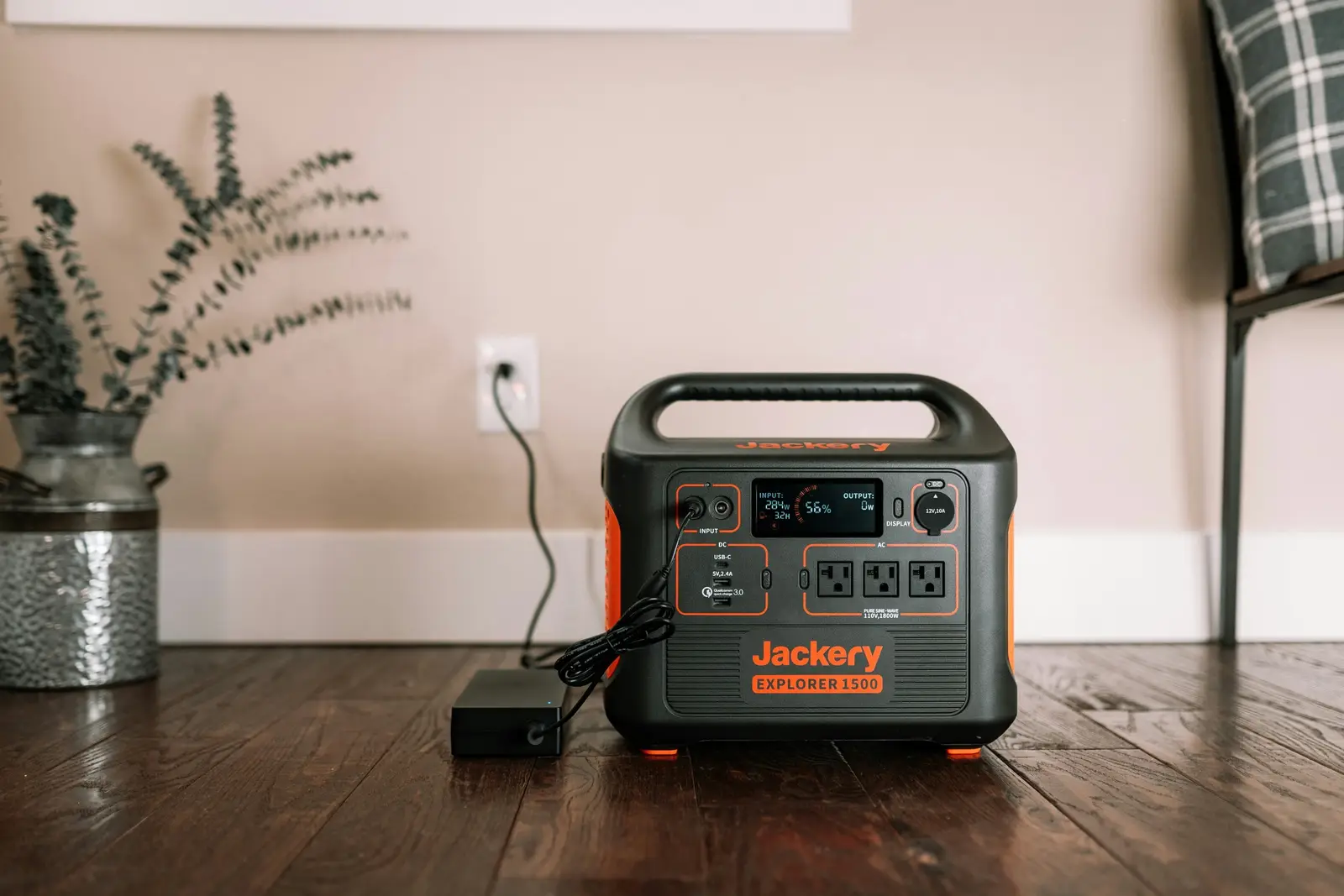
Best generators for home backup: 6 picks for a long outage
Propane stores better, gasoline stretches further, and a dual-fuel portable covers most homes. How to size one, and which models came out ahead in testing.