 DIY Proof
Lawn mower blade sharpening costs $5 a blade or $70 at the shop
Professional sharpening runs $5 to $15 per blade, or $50 to $70 by Angi's average. What the job costs, how often it's due, and the flat-file method that skips the shop.
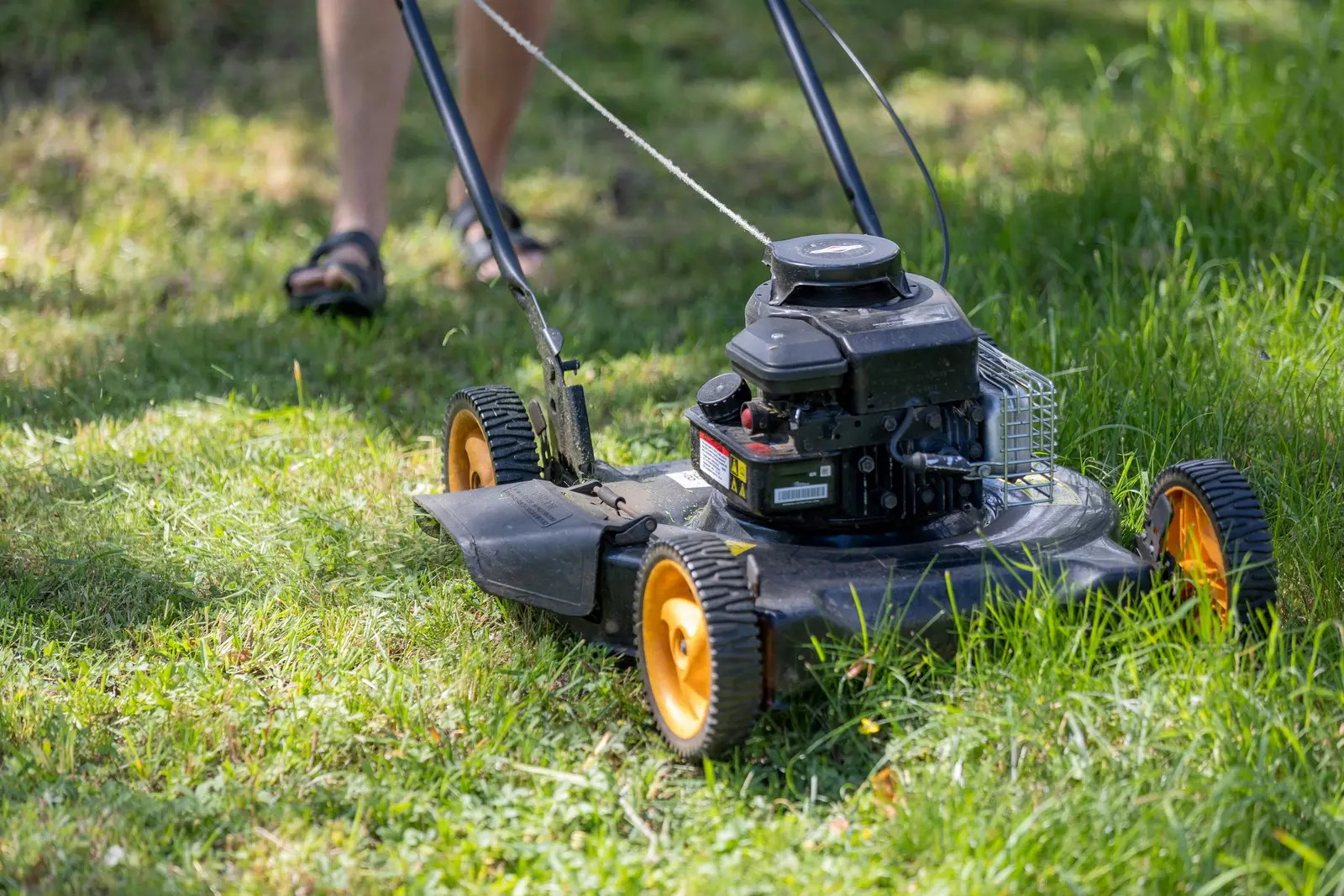
Sharpening a lawn mower blade costs $5 to $15 per blade at a small repair shop, and Angi reports an average of $50 to $70 for the job as a whole. The two figures measure different things. Per-blade pricing assumes you walked in with the blade in your hand; the higher average covers a mower dropped off, a deck stripped down, and enough labour to make the trip worth the shop's time. Do it at home with a flat file and the only money you spend is on tools you keep.
What a shop charges, and why the quotes move
Ask for the per-blade price when you phone. A shop with the blade already in a vise can run it over a grinder quickly, so $5 to $15 a blade is a normal quote for a deck with two or three blades, and the full set often comes in below a flat-rate service call.
Angi's $50 to $70 is what homeowners actually pay for the service as sold: removal, sharpening, refitting, and the labour around a short grinding job. Three things push the number around. Local cost of living and demand for lawn services set the hourly rate. A remote address adds travel if the technician comes to you rather than you going to the shop. The mower matters too, because a ride-on deck is heavier, takes longer to strip and is awkward to lift alone, so the quote climbs.
How often a blade needs sharpening
Manufacturers disagree on the schedule. Many call for a blade tune-up at least once a year; others count hours, with a sharpening every 20 to 25 hours of mowing. Commercial crews running mowers daily sharpen as often as once a week, which lands at roughly the same 25 hours of service.
For one household lawn, the yearly mark is the easy one to keep, and the hour count is the better trigger if you mow a large garden or cut long grass. A dull blade tears the grass instead of slicing it, so the tips brown off and the lawn thins. The engine also works harder through heavy growth and burns more fuel. You pay for a dull blade in fuel and lawn repairs long before you pay for sharpening.
What the file method costs you
A flat file, a blade clamp, and a vise or a bench solid enough to hold the blade while you work. Those are the purchases. File and clamp prices vary by country, so run the comparison where you live: add up the two tools, then set that total against $5 to $15 per blade, or against $50 to $70 if the alternative is dropping the mower off. If a vise and a file are already in your shed, the cash cost of this job is close to nothing, and the file keeps earning on shears, hoes and spade edges. The tools cost money once; the sharpening after that is an hour of your Saturday.
How to sharpen a mower blade with a flat file
- Time:
- About an hour for a two-blade deck, including removal and refitting
- Difficulty:
- Moderate. The filing is simple; a seized bolt and a sharp edge are the risks.
- Cost:
- The price of a file and a blade clamp locally. Compare that with $5 to $15 per blade, or Angi's $50 to $70 average for a shop job.
Tools: Socket or wrench that fits the blade bolt, Lawn mower blade clamp, Bench vise or a solid workbench, Flat file, Work gloves, Eye protection, Wire brush
Materials: Scrap block of wood (only if you skip the clamp), Rags
- 01
Disconnect the spark plug or battery
Pull the spark plug boot off, or disconnect the battery on an electric mower, before your hands go anywhere near the blade. This is the step people skip and the one that causes injuries.
- 02
Lock the blade
Fit a blade clamp on the deck, or wedge a piece of scrap wood between the blade and the housing the way old mechanics did. The clamp is the safer option and it costs less than a hospital visit.
- 03
Remove the blade
Undo the bolt holding the blade. It can take real muscle, and on some decks it undoes the opposite way to normal, so check the manual before you lean on it. Keep the bolt and any washer together.
- 04
Clamp the blade in the vise
Hold the blade in a bench vise with the cutting edge up and the bevel facing you. Gloves on from here, because the edge you are about to create will cut.
- 05
File along the existing bevel
Push the flat file along the cutting edge at the angle the factory ground, in one direction, lifting it clear on the return stroke. Count strokes at each end of the blade so both sides come out even, and look at the edge every few passes.
- 06
Stop at a clean edge
Deep nicks stay until a power tool grinds them out. Filing is the finish, not the repair. Take the edge to clean metal along its length and put the file down.
- 07
Check balance and refit
Hang the blade on a nail through the centre hole, or use a cone balancer, and see whether one side drops. Refit the blade, tighten the bolt firmly, and reconnect the spark plug.
What usually goes wrong
- Leaving the spark plug connected while working near the blade.
- Holding the blade by hand instead of clamping it while the bolt comes undone.
- Expecting the file to repair a damaged edge. Deep gouges need a power tool first.
- Grinding past the point of usefulness. The file cuts slowly, which is the reason to use it: you can check the edge as you go and stop before too much metal comes off.
- Refitting a blade without checking that it still balances.
The bolt catches more people than the filing does. On a mower that has sat outside for years it can be tight enough to need a breaker bar, and the thread direction is not always obvious. Sort that out before you commit to doing the job yourself.
When to pay someone instead
Pay the $5 to $15 a blade, or the $50 to $70, when the blade is bent, cracked, or missing a chunk of metal after hitting a stone. Sharpening will not straighten a bent blade, and a cracked one goes in the scrap. Pay someone too if the deck bolt will not shift with the tools you own, or if you cannot safely lift and support a ride-on deck on your own. A shop with a hoist finishes in minutes what takes you an afternoon on the driveway.
Pros
- Costs the price of a file and a clamp instead of $5 to $15 per blade
- You can watch the edge and stop before you over-sharpen it
- The file stays useful on shears, hoes and spades
Cons
- Slower than a bench or angle grinder
- Will not remove deep nicks or gouges
- You still have to free the bolt and refit the blade safely
Frequently asked questions
- Is it cheaper to sharpen mower blades yourself or pay a shop?
- Cheaper to do it yourself once you own a file and a blade clamp, because the only cost after that is your time. A shop charges $5 to $15 per blade, or $50 to $70 as an average job. If you sharpen once a year, work out whether the tools pay for themselves against the first bill.
- How much does it cost to sharpen a riding mower blade?
- Quotes are per blade, so a three-blade ride-on deck usually costs three times a single-blade price. Expect the upper end of the $5 to $15 range, and more again if the shop collects the mower, since heavier decks take longer to strip and are awkward to lift.
- Can I sharpen a mower blade without taking it off?
- Tools are sold for sharpening in place, but a flat file is not one of them. Filing needs the blade off the mower and held in a vise so you can work along the bevel at a steady angle. Removing it also lets you check for bends and cracks.
- How do I know when a mower blade is too dull?
- Look at the cut. Torn, brown-tipped grass and an engine that labours through long growth point to a dull edge. The hour count is firmer: a sharpening every 20 to 25 hours of mowing, or once a year for most household lawns.
- Does a sharp blade save fuel?
- It lowers the load on the engine, and a dull blade is tied to harder work and higher fuel use. The saving per cut is small. The visible gain is on the lawn, where a clean slice browns off less than a torn one.
Sources
Next projects
Best snow blower for gravel driveways: a two-stage, every time
Single-stage blowers throw gravel, not just snow. Here's the two-stage setup that keeps the auger off the stones, with the models the reviews rate and what to check first.
Ryobi's two-stage electric snowblower handles a driveway for less
The best electric snowblower for a driveway is a two-stage cordless machine: 61 cm wide, 53 cm deep, 45 minutes a charge. The catch is how slowly those four batteries recharge.
Best gifts for homes with gardens: 4 picks that earn their shelf space
A wheeled potting cart, an indoor hydroponic unit that fits 16 plants into 1.4 square feet, and the small gifts gardeners actually wear out. What to buy, what to skip, and how to set the cart up.