 DIY Proof
Is Weber Slate 22 worth it? What 352 sq in gets you
The Weber Slate 22 earns its price for patio cooks who want two heat zones and a rust-resistant carbon steel top. It is heavy enough that campers should look elsewhere.
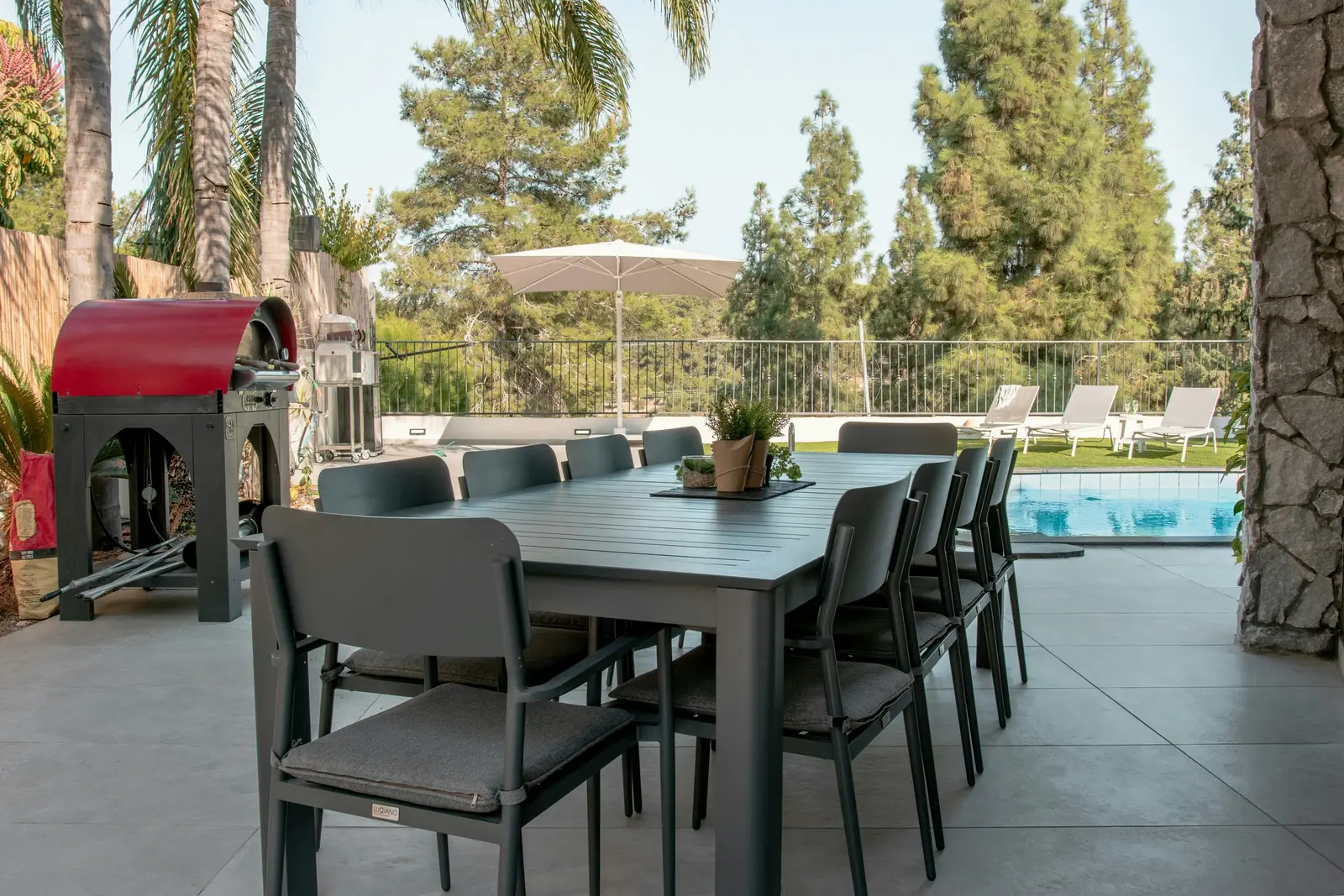
The Weber Slate 22 is worth it if the griddle stays put on a patio, balcony or outdoor kitchen table and you cook flat-top food more than once a week. Bob Vila's reviewer cooked on it for several months and came away calling it worth the weight and the price, citing cooking performance and build quality. If the griddle has to travel to a campsite or be lifted onto a shelf after every meal, the same review hands you the reason to say no.
The numbers first. The Slate is 22 inches (56 cm) across, with 352 square inches of cooking surface (about 2,270 sq cm), two burners and 16,000 BTU in total. The top is carbon steel treated to resist rust. It is a tabletop unit, so it needs a table that will not wobble under a hot plate and an outdoor space with airflow.
Two burners are the reason to pick this one
A single burner gives you one temperature across the whole plate, so you spend the cook shuffling food between hot and cool corners. The Slate splits its 352 square inches into two zones you control separately. That is what lets you sear peppers for fajitas on one side while the beef finishes on the other, or hold pancakes warm at the back while bacon crisps at the front. The reviewer singled out the two-zone layout as the feature that earned its keep.
Heat control matters as much as headline output. The review notes that 16,000 BTU is not an especially impressive figure, and it is right that a full-size cart griddle lists far more. What the Slate has instead is fine adjustment, which counts for more on a plate that sits close to the food. A griddle you can hold at a low, steady heat cooks a better breakfast than one that only knows how to be hot.
The weight decides who should buy it
The reviewer calls the Slate one of the heaviest portable griddles they have tested, and lists that weight as the main drawback. No figure in pounds or kilos appears in the review, so if the griddle has to be moved, weigh one in a shop or check the spec sheet before you order. Decide where it lives before it arrives. Carrying a hot griddle off a table with someone holding the other end is how people end up at the minor injuries unit.
That mass is where the build quality comes from. Thick steel and a frame that does not flex are what make a tabletop griddle feel like equipment rather than a camping accessory, and the reviewer kept returning to that solidity. You pay for it twice, in kilos and in cash. The Slate is one of the most expensive portable griddles that reviewer has used. The review does not quote a price, so check the current figure yourself and compare it with the two-burner tabletop models sitting either side of it.
What rust resistance covers, and what it does not
A carbon steel top that resists rust is unusual at this size and worth having if the griddle lives outdoors under a cover. It does not make the plate maintenance-free. Carbon steel builds its non-stick layer from polymerised oil, and that layer is what you protect every time you scrape the plate down and wipe on a thin film of oil while it is still warm.
Pros
- Two independently controlled cooking zones across 352 square inches
- Carbon steel surface treated to resist rust
- Build quality the reviewer describes as rock solid
- Fine heat adjustment at low settings
Cons
- One of the heaviest portable griddles the reviewer has tested
- Near the top of the price range for its class
- No published weight figure to plan around
- Needs seasoning and drying after every cook
Who it suits, and who should spend less
- You cook breakfast for four or more at the weekend and want both zones working.
- The griddle has a permanent spot on a patio, in a covered outdoor kitchen or on a balcony table that can take the load.
- You already own a propane cylinder and somewhere to store it away from the house.
Skip it if the griddle has to go in the car. Skip it if you want to find out whether you even like flat-top cooking. A cast iron plate on a grill you already own costs a fraction of the price, stores flat and will tell you within a month whether the two-zone layout is something you would use. Buy the Slate once you know the answer is yes and you have a table that will hold it.
Seasoning and keeping the carbon steel top
Follow the manual that ships with the griddle for the first burn, since that is the instruction that protects your warranty. The general method for a carbon steel plate is the same across brands, and it takes under an hour the first time.
- Time:
- 45 to 60 minutes for the first seasoning, about 5 minutes after each cook
- Difficulty:
- Easy, with one hot-plate hazard
- Cost:
- Under 10 in oil and cloths if you have none in the cupboard
Tools: Flat metal scraper, Long tongs, Paper towels, Heatproof gloves, Small squeeze bottle for oil
Materials: High smoke point cooking oil (rapeseed or flaxseed), Warm water, Soft cloth
- 01
Wash and dry the plate
Wipe the cooking surface with warm water and a cloth to shift factory residue, then dry it completely. Do not leave it damp.
- 02
Bring it up slowly
Light both burners on the lowest setting and let the plate heat for five minutes. You want it hot, not smoking hard.
- 03
Apply a film of oil
Squeeze about a teaspoon of oil onto the plate and spread it with a folded paper towel held in tongs. Aim for a film, not a puddle. Pools go sticky.
- 04
Take it to the smoke point
Let the film reach the point where it just starts to smoke, then turn the burners off and let the plate cool. Repeat two or three times on the first day.
- 05
Cook something fatty
Bacon, onions and fatty cuts build the layer faster than lean meat. Make the first cook an oily one.
- 06
Clean while warm
Scrape the plate down while it is still warm, wipe with a damp cloth, dry it, then wipe on a fresh teaspoon of oil before you cover it.
- 07
Store it dry
Keep the cover on and store the griddle where water will not collect. If a rust spot appears, scour that patch back to bare metal and re-season it.
What to check before you order
Measure the table and the gap where the griddle will be stored, then check both against the published dimensions. Check the current price rather than the launch price, because this sits in a crowded part of the market. Confirm whether a cover is included, and price one in if it is not. Budget for a propane cylinder if you do not have one. None of that takes long, and any one of those four checks can change the answer.
Gas appliances belong outdoors. Never run a griddle in a garage, a tent, a porch with the doors closed, or anywhere the exhaust cannot escape. Carbon monoxide is the risk and it does not announce itself. Check your building's rules on balcony cooking before you buy, since many prohibit open flame.
Questions people ask
- Is the Weber Slate 22 worth it?
- For a patio cook who wants two heat zones and a rust-resistant carbon steel top, yes. Bob Vila's reviewer spent months with it and judged it worth the price and the weight. If you need to carry it to a campsite, no: it is one of the heaviest tabletop griddles in its class.
- How heavy is the Weber Slate 22?
- Weigh one before buying if it has to be moved. The Bob Vila review calls it one of the heaviest portable griddles it has tested but does not publish a figure in pounds or kilos, and that leaves you checking the spec sheet or the shop floor.
- How much food fits on 352 square inches?
- About 2,270 sq cm, split into two zones. That covers a family breakfast in one pass, with pancakes holding on one side and bacon and eggs on the other. It is not a party griddle. You will cook in batches for more than six people.
- Can I use it on a balcony?
- Only outdoors with airflow, and only if your building allows it. Many apartment blocks ban open flame on balconies. It should never run in a garage or a tent, because gas griddles produce carbon monoxide.
- Does the cooking surface rust?
- The plate is treated to resist rust, which is more than most carbon steel tops offer. Dry it and oil it after every cook and it stays dark and slick. Leave it wet under a cover and it will spot.
- Is it worth it over a cheaper tabletop griddle?
- If you cook flat-top food weekly and will use both zones, yes. If you want a few summer cooks to test the idea, a cast iron plate on a grill you already own costs far less, stores flat and tells you whether you want the upgrade.
Sources
Next projects
Lawn mower blade sharpening costs $5 a blade or $70 at the shop
Professional sharpening runs $5 to $15 per blade, or $50 to $70 by Angi's average. What the job costs, how often it's due, and the flat-file method that skips the shop.
Best snow blower for gravel driveways: a two-stage, every time
Single-stage blowers throw gravel, not just snow. Here's the two-stage setup that keeps the auger off the stones, with the models the reviews rate and what to check first.
Ryobi's two-stage electric snowblower handles a driveway for less
The best electric snowblower for a driveway is a two-stage cordless machine: 61 cm wide, 53 cm deep, 45 minutes a charge. The catch is how slowly those four batteries recharge.