 DIY Proof
Best smart thermostat 2026: 8% off the bill, at €75 or €230
The ecobee Smart Thermostat Premium is the best smart thermostat for most homes at about €230. What decides your install is a C-wire, and in Europe, the boiler.
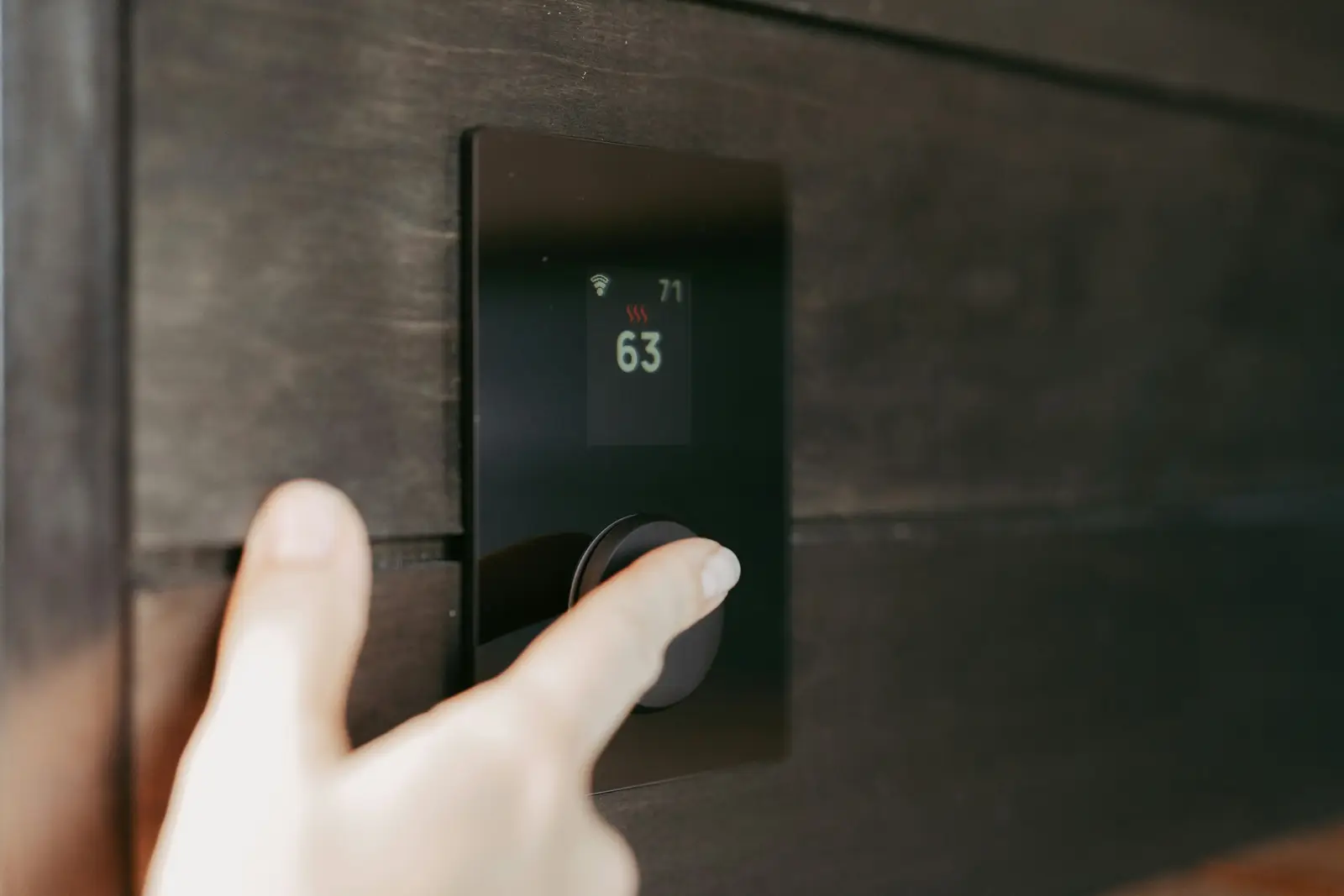
Some links in this article are affiliate links: if you buy through one, we may earn a commission at no extra cost to you. As an Amazon Associate we earn from qualifying purchases. How affiliate links work here
The best smart thermostat for most homes is the ecobee Smart Thermostat Premium. It runs without a C-wire, ships with a remote room sensor and speaks to Alexa, Google Home, HomeKit and Matter. Expect to pay about €230; US listings show $250. Before you order anything, take the old thermostat off the wall and look at the wires, because one of them decides the whole purchase.
ecobee Smart Thermostat Premium
Installs without a C-wire, includes a room sensor and covers Alexa, Google, HomeKit and Matter, which makes it the pick for most homes.
What actually differs between them
The marketing is screens and apps. Four things separate these units in daily use: whether they need a C-wire, whether they read the room you sit in or the hallway they hang in, which ecosystems they support natively, and whether the energy saving runs on a schedule you set or one the device learns.
A C-wire is the common wire that feeds the thermostat continuous 24V. Without one, a unit either won't power up or borrows current through the other terminals, which on some systems makes relays chatter or the fan short cycle. The ecobee Premium and the Nest Learning Thermostat (4th gen) both install without one. The Sensi Touch 2, the Honeywell T10 Pro and the T6 Pro all need one. Count the terminals before you buy.
Google Nest Learning Thermostat (4th gen)
Builds its own schedule from your routine, needs no C-wire, and includes a temperature sensor for about €260.
A thermostat in a hallway measures the hallway. A remote sensor in the room you actually use is worth more than most app features, and it's the difference between a warm living room and a warm corridor. ecobee includes a SmartSensor in the box, Nest includes one temperature sensor, and the Sensi Touch 2 and the T6 Pro read only their own location.
Match the ecosystem list to what you already own. ecobee Premium covers Alexa, Google, HomeKit and Matter; Nest works with Google and Alexa; Sensi Touch 2 adds HomeKit. On the control side, Nest builds a schedule from your comings and goings, while ecobee runs the timetable you give it and backs off when the house is empty. If you'll never open the app again after the first week, learning is the feature worth paying for. If you like a fixed schedule and a hold button, save the money.
The picks and what they cost
The ecobee Smart Thermostat Premium is the pick if you want one device to do the lot. It senses occupancy, monitors air quality from the unit itself, handles up to four heating and two cooling stages and doubles as a speaker for Alexa. It's also the most expensive of the mainstream options at about €230. The air quality readout is a humidity and VOC indicator, so if that number matters to you, a dedicated room monitor does a better job.
Pros
- No C-wire needed, so it fits more walls than most rivals
- Remote SmartSensor included in the box
- Alexa, Google, HomeKit and Matter all covered
- Air quality and occupancy sensing built in
Cons
- About €230, the highest price here
- The speaker and air monitor are features you may never use
The Nest Learning Thermostat (4th gen) is the one to buy if you want the schedule built for you. It needs no C-wire, includes a temperature sensor, handles three heating and two cooling stages and wakes its display when you walk past. It costs about €260, which is $280 in the US listings. The round screen is bright enough that reviewers have called it distracting in a dark hallway.
The Amazon Smart Thermostat is the budget answer at about €75 ($80). It's built on Honeywell hardware, has Alexa on board and carries the ENERGY STAR label. CNET's testers flagged Amazon's data privacy record as the main reservation. A cheap certified thermostat that stops heating an empty house is exactly what a lot of people need, and this one does that.
Amazon Smart Thermostat
About €75 with Alexa built in and the ENERGY STAR label, though Amazon's data record is the trade-off.
The Honeywell T6 Pro does the core job for roughly half the ecobee's price, with a C-wire required and a single built-in sensor. The Honeywell T10 Pro adds an air quality sensor and is the model to specify if a professional is installing the system anyway. Tom's Guide currently rates the Honeywell Home X8S as its top pick, a small wall unit that also controls other devices, which is worth a look if you want a display you can read from across the room.
Honeywell T6 Pro
Roughly half the price of the top pick and does the core job, provided your wall already has a C-wire.
What you save, and what you don't
Heating and cooling takes about half of a typical home's energy bill, more than €830 ($900) a year in the figures one roundup uses. ENERGY STAR quotes the saving from a certified thermostat at 8% to 10% of heating and cooling costs. On an €830 bill that's €66 to €83 a year, though the program's own summary figure is closer to €45. To earn the label at all, a thermostat has to show at least an 8% cut in heating runtime and 10% in cooling runtime against data from real homes across the country.
So the arithmetic for a €230 unit on average usage is three to four years to pay for itself. Most of that saving comes from not heating an empty house, which you can also do by turning the thermostat down on your way out. Buy one because you'll actually leave it alone, not because the box promises a number.
There's a reason the category exists. ENERGY STAR stopped certifying old-style programmable thermostats back in 2009, because people never programmed them or simply overrode the schedule. What makes a smart thermostat worth the money is the removal of that human step, and the app is what makes the step removable.
Rebates in 2026
Tom's Guide reports that the ENERGY STAR program moved from the EPA to the Department of Energy in early 2026. The label continues, but federal rebates for smart thermostats are largely gone unless you're buying one as part of a whole-home energy retrofit. Local utilities still run their own schemes, so check your supplier's website before you pay full price. In Europe, ask your energy supplier about any efficiency scheme before you order rather than after.
Before you order in Europe
North American thermostats switch a 24V control circuit. Plenty of European boilers run on 230V switching or on OpenTherm, and a US-market unit won't talk to either. The ecobee Premium and the Amazon Smart Thermostat are North American products, so importing one is where people get into trouble. In the UK and the EU, buy the version sold for your market from Google Nest or Honeywell Home, and read the boiler manual for its control protocol. If the thermostat you're replacing switches mains voltage, book an electrician. That's the line drawn in most of Europe, and the UK follows it too.
How to fit one in about 45 minutes
- Time:
- About 45 minutes for a like-for-like swap, 90 minutes or more if you have to fit a power adapter.
- Difficulty:
- Beginner for a low-voltage swap. Stop and call an electrician if the thermostat switches mains voltage.
- Cost:
- €75 to €260 for the thermostat. No extra hardware if your wall already has a C-wire.
Tools: Small flathead and Phillips screwdrivers, Voltage tester or multimeter, Spirit level, Drill and wall plugs, Phone with the maker's app, Masking tape and a marker for labelling wires, Torch
Materials: Smart thermostat kit, C-wire adapter if your wall has no C terminal, Screws and wall anchors supplied with the kit
- 01
Photograph the old wiring
Take a clear photo of the terminal block, then label each wire with the letter printed beside it. Most problems later trace back to skipping this.
- 02
Check for a C terminal
If a wire lands on C, you have a common wire and any model will work. If C is empty, buy a thermostat that doesn't need one or one that ships with an adapter.
- 03
Isolate the power
Switch the heating off at the breaker or fused spur. On a 230V system, test the terminals with a voltage tester before you touch anything. If you can't prove the circuit is dead, stop there.
- 04
Remove the old unit
Unscrew the old plate and tape the wires to the wall so they don't drop back into the cavity.
- 05
Fit the new backplate level
Use the supplied screws and, on plaster or drywall, the wall plugs. A plate screwed on crooked makes the display look wrong for years.
- 06
Connect the wires
Match each label to the same letter on the new block, one wire at a time, and tighten each screw firmly. A loose terminal causes erratic behaviour that reads like a faulty thermostat.
- 07
Power up and test
Restore the power, run the app's setup, then call for heat and confirm the boiler fires within a minute or two. Test cooling the same way if you have it.
- 08
Set the schedule and sensors
Put the remote sensor in the room you use most and set the away temperature a couple of degrees below comfort. Leave it alone for a week before you judge it.
FAQ
- Do I need a C-wire for a smart thermostat?
- Not always. The ecobee Premium and the Nest Learning Thermostat (4th gen) install without one. The Sensi Touch 2, Honeywell T10 Pro and T6 Pro do need one. If your old thermostat has a wire on the C terminal, every model works.
- Can I install a smart thermostat myself?
- Yes if it's a low-voltage swap: isolate the power, label the wires, connect the same letters to the new block. If the thermostat switches mains voltage, as some European systems do, an electrician does the job.
- How much does a smart thermostat actually save?
- ENERGY STAR puts it at 8% to 10% of heating and cooling costs, roughly €45 to €83 a year depending on your bill. Certification requires at least an 8% cut in heating runtime and 10% in cooling runtime.
- Will a US smart thermostat work with a European boiler?
- Usually not. North American units switch a 24V circuit, and many European boilers use 230V switching or OpenTherm. Buy the version sold for your country and check the boiler manual for its control protocol.
- Is the cheap Amazon Smart Thermostat any good?
- It's Honeywell hardware with Alexa built in and an ENERGY STAR label, at about €75. CNET's testers raised Amazon's data privacy record as the main concern. If budget decides the purchase, it does the core job.
Sources
- CNET: The Best Smart Thermostats
- Tom's Guide: best smart thermostats tested
- Thermostating: best smart thermostat buying guide
- Bob Vila: best smart thermostats according to testing
- One Green Planet: best smart thermostats 2026
- Weather.com: ENERGY STAR certified smart thermostats
- Tech Times: smart thermostats that save energy and money
Next projects
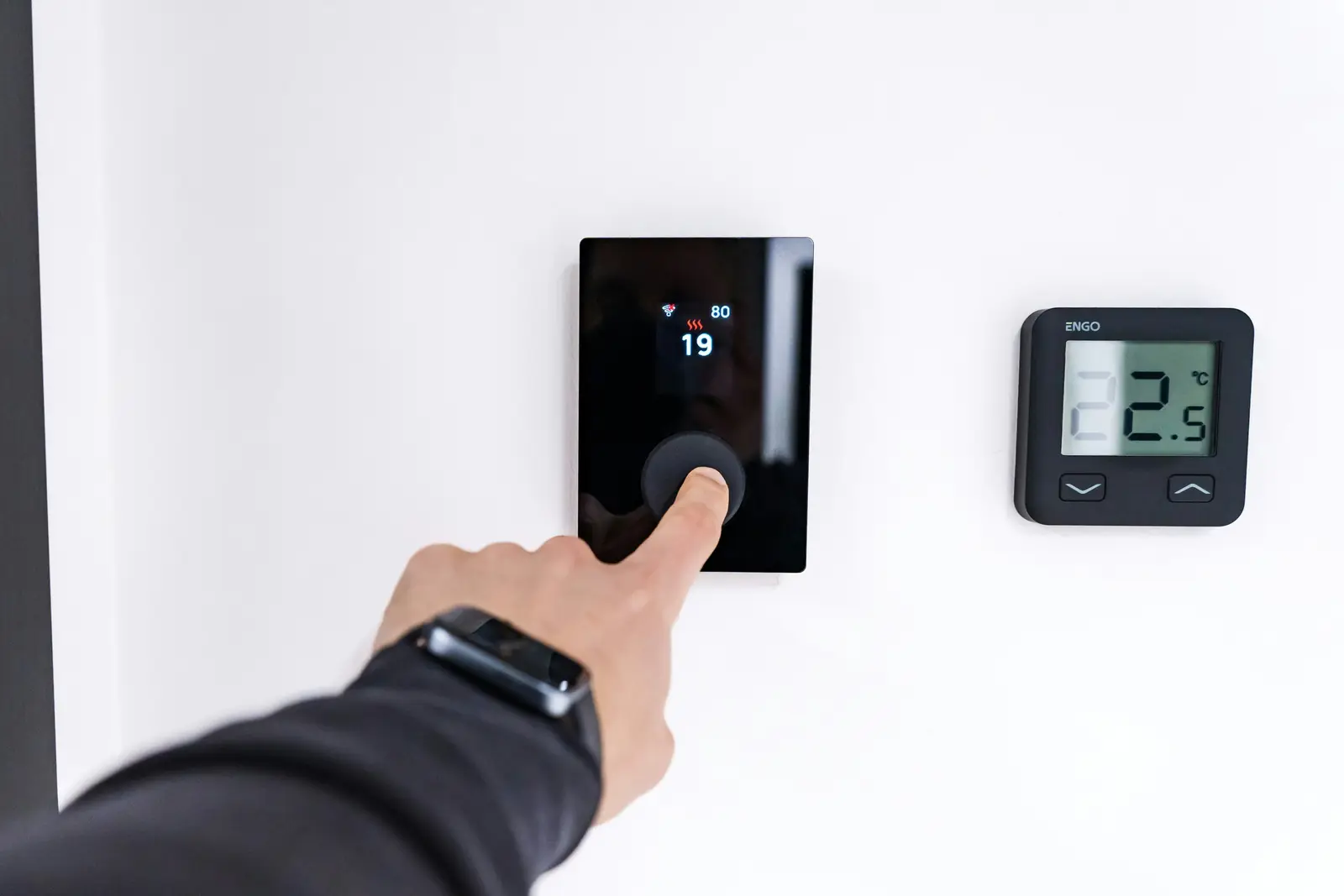
Best home thermostats 2026: four picks and the EU compatibility catch
Four thermostats came out ahead in the 2026 round-up, and the one that suits your house depends on your boiler. Here is what each pick solves, plus the checks to run before you order.
SwitchBot K11+ Pro review: a 9 cm robot built for under the sofa
SwitchBot's K11+ Pro is a 9.1 cm robot vacuum that gets under sofas and beds where bigger bots stop, with a 4 L bag rated for 90 days. Mopping is light duty.

Holiday gift deals: you need a price history before you buy
The Roborock Qrevo Edge 3 Pro at $999.99 is the one gift deal here with a checkable price drop. What the rest of the list is worth, and how to test a 'was' price before you pay.