 DIY Proof
Best bench vise for workshop: woodworking vs metalwork picks
The Wilton 11106, a 6-inch cast-iron vise with a swivel base, is the overall pick in the 2026 round-up. Here is how to match jaw width and mounting to the work you do.
Some links in this article are affiliate links: if you buy through one, we may earn a commission at no extra cost to you. As an Amazon Associate we earn from qualifying purchases. How affiliate links work here
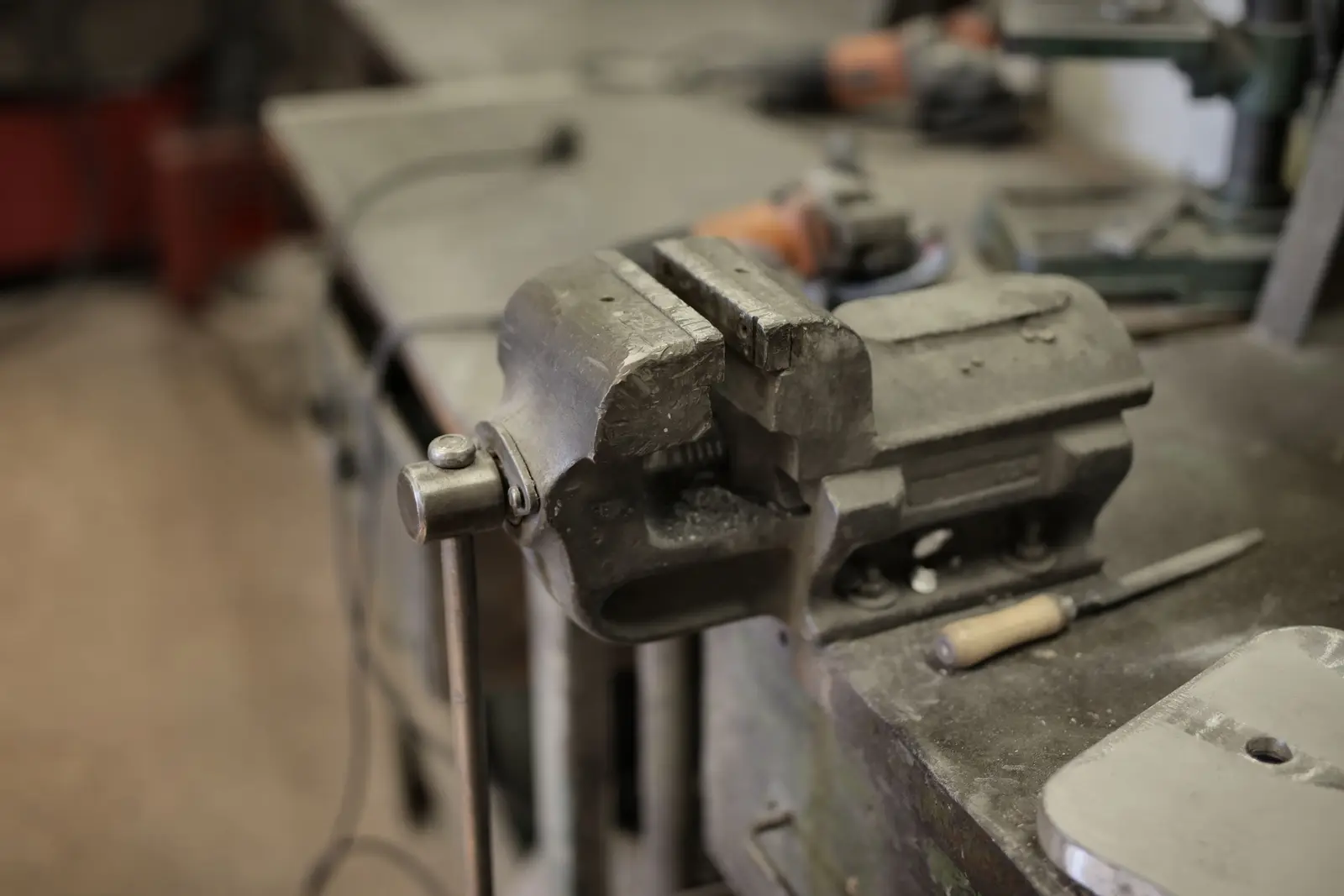
The best bench vise for a workshop, going by the 2026 round-up from Bob Vila's review team, is the Wilton 11106 General Purpose 6-Inch Jaw Bench Vise. It is a cast-iron model with a swivel base and slip-resistant jaws, and it took the overall pick. Whether it is the right one for your bench depends on what you clamp most: wood, metal, or a bit of everything.
Wilton 11106 General Purpose 6-Inch Jaw Bench Vise
The Wilton 11106, a 6-inch cast-iron vise on a swivel base, is the overall pick in the 2026 round-up.
The four picks and who each one suits
- Wilton 11106 General Purpose 6-Inch Jaw Bench Vise: the overall pick, with a cast-iron body, slip-resistant jaw faces and a swivel base.
- Pony Jorgensen Woodworker's Vise: best value, built for woodworking rather than general clamping.
- Wilton WS8 Shop Vise: the heavy-duty option, with 8-inch jaws and strong grip for metalwork.
- Real Avid Master Gun Vise: a specialist pick with a ball-and-socket joint that lets you tilt and lock the work at an angle.
Wilton WS8 Shop Vise
The Wilton WS8 goes to 8 inches for metalwork, where wider jaws support a heavier piece and spread the clamping load.
Real Avid Master Gun Vise
Real Avid Master Gun Vise: a specialist pick with a ball-and-socket joint that lets you tilt and lock the work at an angle.
The reviewer selected top-selling models, mounted each one to a workbench in their own workshop and used them to grip boards, pipes and other stock. That is one workshop and one pair of hands, so treat the result as a shortlist. Four models is a small sample, and a vise that feels steady on one bench can feel different on a lighter top.
Jaw width: what 6 inches buys you
Jaw width is the measurement across the jaw faces, roughly 150 mm for a 6-inch vise and 200 mm for an 8-inch one. It sets how wide a piece you can hold flat against both faces. For a general bench, 6 inches is the sensible default, which is why the overall pick comes in that size. It holds a door hinge, a bike brake caliper or a piece of 100 mm skirting without the work hanging off one side of the jaws.
The Wilton WS8 goes to 8 inches for metalwork, where wider jaws support a heavier piece and spread the clamping load. That extra width comes with a bigger footprint on the bench and more metal in the way when you are not using it. Check the clearance behind the bench for the handle swing before you buy the larger model.
One number the round-up does not publish is opening capacity, which is how far the jaws separate. That figure decides whether a thick workpiece fits at all, and a wide jaw does not guarantee a wide opening. Look it up on the spec sheet for the model you are considering and compare it with the thickest thing you expect to clamp.
Features that change how a vise feels at the bench
The swivel base on the 11106 is the feature you will use most. It turns the jaws toward the work so you can file or drill at a comfortable angle instead of leaning across the bench. Slip-resistant jaw faces come next: they hold a smooth workpiece with less clamping force, and less force means fewer marks on soft stock.
A woodworker's vise, like the Pony Jorgensen, mounts with its jaws flush to the bench edge so a board can be held along its face. A general-purpose vise with narrow jaws cannot do that comfortably. The Real Avid's ball-and-socket joint is for gunsmithing and similar precision work; skip it if your clamping is shelf brackets and garden tools.
Pony Jorgensen Woodworker's Vise
The Pony Jorgensen is the value choice for woodworking.
Mounting is half the job
A vise is only as solid as the bolts holding it. The base is small, so the load goes into four holes, and a top that flexes or crushes will let the vise rock under a file. Work out where the base sits over a leg or a thick rail before you drill anything.
- Time:
- About an hour, longer if you have to clear the bench and drill a thick top
- Difficulty:
- Beginner with a drill. A second pair of hands makes lifting the vise easier.
- Cost:
- Fixings only. The source review does not publish vise prices, so check the current price of the model you pick.
Tools: Drill with bits matched to your bolt size, Spanner or socket set, Tape measure and pencil, Spirit level, Two clamps to hold the vise while you mark
Materials: Four bolts long enough to pass through the bench top and any packing, Washers for top and bottom, Nyloc nuts or lock washers, Steel backing plate or hardwood block for a thin top
- 01
Choose the mounting point
Put the vise where the jaws sit just past the bench edge, over a leg or the thickest part of the top. Leave room for the handle to swing through a full turn, and check that long stock can hang past the bench instead of hitting a wall.
- 02
Check the top
Measure the bench top thickness. A thin top concentrates the load on four small holes, so spread it with a steel plate or a hardwood block underneath, or move the vise to a thicker part of the bench.
- 03
Mark the holes
Set the vise in place, clamp it down and mark through the mounting holes. Lift the vise off and check the marks against the base before you drill, because a base that is 10 mm off square will annoy you for years.
- 04
Drill through
Drill pilot holes square to the top, then open them to the bolt size. Clamp a scrap block on the underside where the bit exits to stop the top tearing out.
- 05
Bolt it down
Fit a washer under each bolt head, pass the bolts through the top and any packing, then add washers and nyloc nuts underneath. Tighten in a cross pattern a little at a time so the base seats evenly instead of cocking over.
- 06
Test it under load
Clamp a scrap board and lean on it. Any movement means the base is rocking on an uneven top or the bolts are not tight. Fix that before you trust the vise with a real workpiece.
Where to spend and where to save
If the vise comes out once a month for a chair leg or a bike brake, the value pick is enough and the money is better spent on clamps. If you are at the bench most weekends, put the budget into the casting, the screw and the swivel, because those are the parts that decide whether the jaws still line up after a few years of use. I would rather buy one 6-inch vise properly than replace a cheap one twice, and a vise is the tool that takes the load of everything else you do on that bench.
What to check before you pay
- Jaw width and opening capacity. The round-up gives widths, not openings, so pull the opening figure from the spec sheet and compare it with your thickest workpiece.
- Swivel or fixed base. A swivel adds a joint that can work loose, and it earns its place if you clamp long or angled stock.
- Bolt spacing. Measure your bench frame first, so the base lands over solid timber and not over a thin overhang.
- Jaw faces. Smooth jaws mark softwood, and slip-resistant faces grip smoother stock with less force.
- Price. None of the four picks have prices published in the round-up, so compare current listings on the model you want before you commit.
Frequently asked questions
- What size bench vise should I get for a workshop?
- A 6-inch (about 150 mm) jaw suits most home workshops, and it is the size of the overall pick in the 2026 round-up. Go to 8 inches (about 200 mm) if you regularly hold metal plate or long stock. Check the opening capacity against what you clamp, because jaw width alone does not tell you how far the vise opens.
- Is a swivel base worth paying for?
- Yes if you work on long or angled pieces, since you can turn the jaws to the work instead of your body. If the bench is against a wall and you only clamp small parts, a fixed base does the same job with fewer parts to work loose. The overall pick has a swivel base.
- Can I bolt a vise to a folding table or a kitchen worktop?
- Not for heavy work. Thin tops and particleboard crush under a bolted base. Use solid timber, or add a steel backing plate underneath to spread the load. A folding table is fine for light clamping only, and it will never feel like a bench vise.
- Do I need a separate vise for woodworking?
- If you hold boards flat along their face, yes. A woodworker's vise mounts flush with the bench edge and grips the full width of a board, which a narrow metalworking vise cannot do. The Pony Jorgensen is the value pick in the round-up for that. For occasional wood, one general-purpose vise is enough.
- How much does a good bench vise cost?
- The source review does not publish prices for any of its picks, so any figure would be a guess. Check current prices for the Wilton 11106, the Pony Jorgensen and the Wilton WS8 yourself, and compare on jaw width and opening capacity so you are pricing the same job.
Sources
Next projects
Basic tool kit for beginners: 8 categories, not 80 items
A basic tool kit for beginners is eight categories and a drill, not 200 pieces. Where to spend, what to save on, and the Pozidriv trap waiting in European flat-pack.
Best early Black Friday tool deals: DeWalt, Makita and Ego prices
Battery-included drill kits dropped to $99 at Home Depot, Lowe's and Amazon, and Ridgid's $149 starter kit comes with a free tool. Plus the bare-tool listings to skip.
Best mechanic tool sets: the DeWalt 142-piece pick and when to skip it
The DeWalt DWMT73802 142-piece kit is the best mechanic tool set for most people. When the Deko 258-piece and Gearwrench 232-piece sets make more sense.