 DIY Proof
Basic tool kit for beginners: 8 categories, not 80 items
A basic tool kit for beginners is eight categories and a drill, not 200 pieces. Where to spend, what to save on, and the Pozidriv trap waiting in European flat-pack.
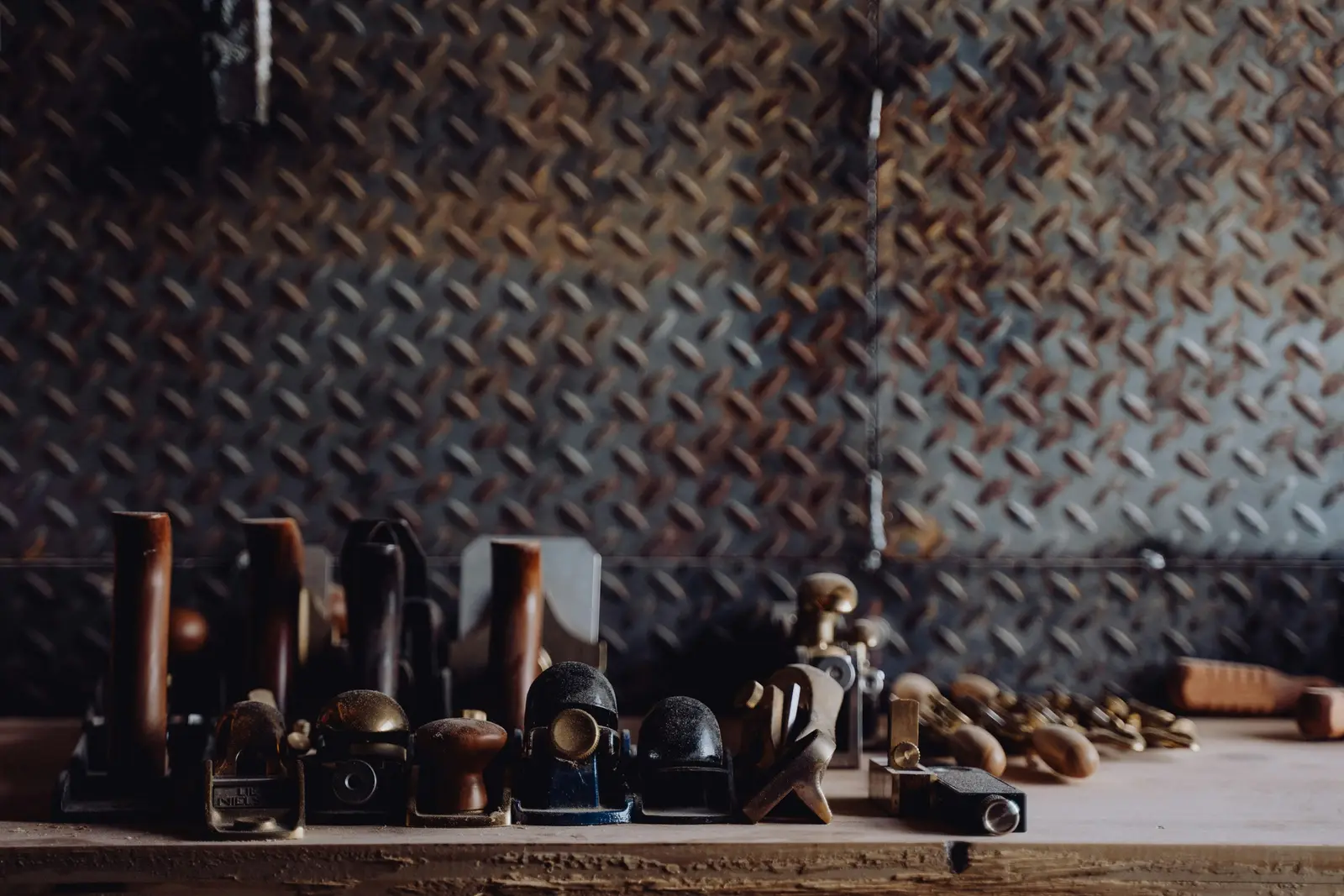
A basic tool kit for beginners is eight categories of tool: screwdrivers, pliers, a hammer, sockets and a ratchet, a set of spanners, hex and Torx keys, a tape measure and a utility knife. Add a cordless drill and you can assemble flat-pack furniture, fix a bike, hang a shelf, tighten a hinge and get through most small repairs in a flat or a house. Anything past that list gets bought when a particular job turns up. That is cheaper than buying it in advance and finding it doesn't fit.
The second decision is where the money goes. Spend on the drill: a weak one makes every other job harder, and there is no way to fix it later. Buy the hammer, screwdrivers, pliers and tape measure at the value end. For occasional use around the house they last for years.
The eight categories and what each one has to do
Teng Tools publishes the shortest version of this list I've found, built on one rule: every item has to do more than one job. That rule is what rules out much of what fills the big kits.
- Screwdrivers: slotted, Phillips and Pozidriv, in two or three lengths each.
- Pliers: combination, long nose, side cutters and water pump pliers. Four tools that replace a dozen.
- Hammer: one, between 12 and 16 oz (340 to 450 g). Heavy enough to drive a nail, light enough to stay accurate for an hour.
- Sockets: a 1/4 in and 3/8 in drive set with a ratchet, extensions and a universal joint.
- Spanners: a combination set through the common sizes. Open end to start a nut, ring end to load it.
- Hex and Torx keys: a ball-end hex set and a Torx set, for furniture, bikes and car interiors.
- Tape measure: one with a lock and a belt clip.
- Utility knife: retractable, with spare blades kept in the handle.
Wirecutter's testers looked at about 85 kit models and found the same handful of basics in most of them, then a scatter of extras mixed in at what looks like random. One kit carried wire strippers while barely covering the basics. Another included a metal-cutting hacksaw and no standard utility knife. The extras are what sells the box, and you pay for them either way.
The sockets and spanners on that list are the same sizes a car asks for. If you'll be working on a vehicle as well as the flat, compare a mechanic tool set against buying the two sets separately.
Where to spend and where to save
The DIY Tool Review puts the BLACK+DECKER 20V MAX at the top of its budget drill list and tells beginners not to go below it. It's a real 20V drill that arrives with a battery, a charger and 30 accessories, so it works as soon as it charges. The accessories are the part to inspect, because a box of cheap bits is where budget kits save their money. In Europe, check which battery platform you're buying into before you commit. A second tool that runs on the same battery is where the saving compounds.
Below the drill, cheap is fine. A 16 oz (450 g) fibreglass-handled hammer from CRAFTSMAN is the value pick in the same roundup, and 450 g is plenty for a shelf or a picture hook. Craftsman is hard to find in European shops. Any 450 g fibreglass claw hammer at a similar price does the same job. An Amazon Basics 73-piece ratcheting bit set covers nearly every screw head you'll meet for very little money, though it isn't the lifetime tool a Wera ratcheting screwdriver is. The three-piece pliers set from the same brand gives you diagonal, slip-joint and long-nose, which covers cutting, gripping and reaching, the three things beginner jobs ask for.
For measuring, ToolGuyd's pick is the Stanley Powerlock 25 ft, a long-running design with high-contrast markings. Its standout is shorter than premium tapes, which matters on a building site and almost never indoors. A two-pack of 25 ft (7.6 m) tapes is the beginner-friendly version of the same idea: one lives in the box, one lives in the drawer where you actually look for it. The utility knife is the item most lists leave out. ToolGuyd uses the Stanley Hi-Viz, a fixed-blade design in fluorescent green that's easy to find, and you need a screwdriver to change the blade.
Pozidriv is not a Phillips, and Europe runs on Pozidriv
Flat-pack furniture and a lot of hinge screws sold in Europe use Pozidriv heads, marked PZ. A Phillips driver in a Pozidriv screw turns a sharp cross into a round hole, and the reverse does the same damage. Buy screwdrivers or bits marked PZ2 and PZ3 alongside PH1 and PH2, or the first wardrobe will cost you a screw extractor as well.
What usually goes wrong
The first failure is a rounded screw. Cheap bits and the wrong cross type do identical damage, and it always happens on the last screw of a flat-pack wardrobe, at an angle, with the panel half assembled. The second is the wall. A 20V cordless drill handles timber and plasterboard without complaint. Brick and concrete want a hammer drill or an SDS, and for one shelf a borrowed SDS beats a bought one.
The third is the 200-piece case. Large-count kits pad the number with thin sockets and single-purpose pieces nobody uses twice, and the case then occupies a shelf for a decade. If you want a case, buy one for the tools you actually chose.
Build the kit in one shop visit
- Time:
- About an hour of shopping, plus 20 minutes to load and label the box
- Difficulty:
- Beginner
- Cost:
- The sources quote US prices only, so there is no honest euro total to give here. The split they agree on: the drill takes the largest share of the budget, everything else sits in the value tier.
Tools: Cordless drill, 20V class, with battery and charger, Claw hammer, 450 g (16 oz), fibreglass handle, Screwdriver set with slotted, Phillips and Pozidriv tips, Three-piece pliers set: diagonal, slip-joint, long-nose, Tape measure, 7.5 m, Retractable utility knife, 1/4 in and 3/8 in socket set with ratchet, Combination spanner set, Ball-end hex key set and Torx key set
Materials: A toolbox about 40 cm wide with a lift-out tray, Spare utility knife blades, A pencil
- 01
Buy the drill first
Pick the drill before anything else, because it sets the battery platform for every cordless tool you add later. Check that the box includes a battery and charger rather than selling them separately.
- 02
Add the hand tools
Hammer, screwdrivers with PZ2 and PZ3 included, pliers, tape measure, utility knife. These are the tools you'll reach for weekly, and the value versions handle that fine.
- 03
Decide on sockets and spanners
If the flat is the whole job, a small 1/4 in socket set and a short spanner run is enough. If a bike or a car is on the list, buy the fuller set once.
- 04
Load the box by frequency
Top tray: tape measure, utility knife, screwdriver you use most, pencil. Bottom: hammer, pliers, sockets, spanners. Put the thing you use weekly where you can see it.
- 05
Test it on a small job
Hang a picture or assemble something flat-pack. You'll find out within an hour which tool is missing and which one you never touched.
- 06
Buy the next tool when the job arrives
A tile cutter, a jigsaw, a hole saw: each is bought for one job and borrowed or hired when that job comes round. Buying them upfront is how the box gets heavy and the money disappears.
Frequently asked questions
- What should be in a basic tool kit for a beginner?
- Eight categories: screwdrivers, pliers, a hammer, sockets and a ratchet, spanners, hex and Torx keys, a tape measure and a utility knife, plus a cordless drill. Buy the drill well and the rest cheaply. Anything else waits until a job needs it.
- Is a 100-piece tool kit worth buying?
- Usually not for a first kit. The count comes from thin sockets and single-purpose pieces you won't touch twice, and the basics inside are often the weakest versions. Buy the eight categories separately and you'll spend about the same on tools you'll actually use.
- Do I need a cordless drill as a beginner?
- Yes, if you own or rent a place with shelves, furniture or curtain rails. A 20V drill handles timber and plasterboard. For brick and concrete, hire a hammer drill or an SDS for the day instead of buying a weak one.
- What size hammer should I buy?
- Between 12 and 16 oz, which is 340 to 450 g. That range drives a nail and stays accurate for an hour of work. A heavier hammer tires your wrist faster and doesn't improve a picture hook.
- Phillips or Pozidriv for European homes?
- Both. Flat-pack and hinge screws in Europe are mostly Pozidriv, marked PZ2 and PZ3. Using a Phillips driver in a Pozidriv screw rounds the head. A bit set that only covers PH will let you down on the first wardrobe.
- How much does a beginner tool kit cost in euros?
- The sources here quote US prices only, so I won't invent a euro figure. Their shared rule is the useful part: the drill takes the largest share of the budget, and the hammer, screwdrivers, pliers and tape measure come from the value end.
Sources
Next projects
Best early Black Friday tool deals: DeWalt, Makita and Ego prices
Battery-included drill kits dropped to $99 at Home Depot, Lowe's and Amazon, and Ridgid's $149 starter kit comes with a free tool. Plus the bare-tool listings to skip.
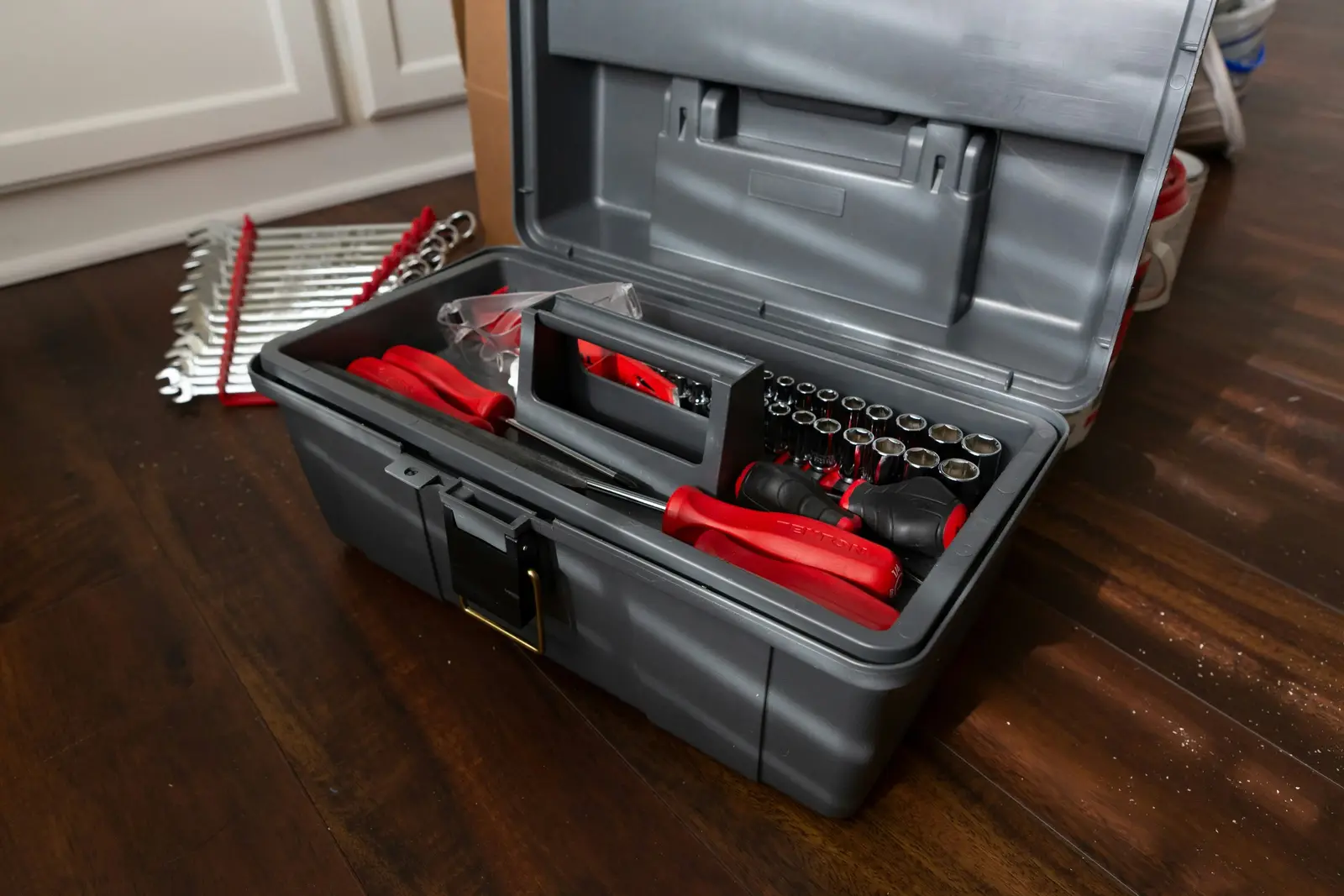
Best mechanic tool sets: the DeWalt 142-piece pick and when to skip it
The DeWalt DWMT73802 142-piece kit is the best mechanic tool set for most people. When the Deko 258-piece and Gearwrench 232-piece sets make more sense.
Best tool gifts for a handyman: Milwaukee picks under $100
The best tool gifts for a handyman are the ones that get used up: bits, blades, tape measures and magnets. Here are eight picks worth buying, plus the tool advent calendars that sell out first.